


The Ozempic injection has become one of the most talked-about medical treatments in recent years. Originally developed to manage type 2 diabetes, Ozempic is now widely discussed for its powerful effects on weight loss. People want to learn about the treatment because it gained popularity through social media news outlets and medical professionals who share information about its effects and safety profile.
The article provides information about Ozempics usage and weight loss efficacy and possible side effects and essential information needed for its evaluation.
What Is Ozempic?
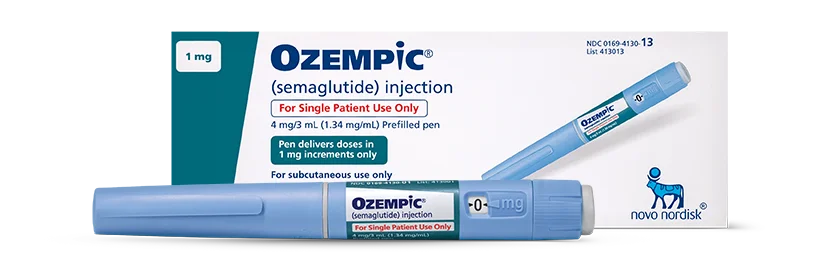
Ozempic is a prescription medication given as a once-weekly injection. Doctors use semaglutide which functions as GLP-1 receptor agonists through their active ingredient.
The drug mimics a natural body hormone that controls blood sugar and appetite. Doctors primarily prescribe the Ozempic Injection for people with type 2 diabetes but it has become popular because users lose weight during treatment.
Ozempic Uses: More Than a Diabetes Drug
-
Ozempic for Type 2 Diabetes
The main medical use of Ozempic is to: Improve blood sugar control Reduce the risk of diabetes-related complications Support better insulin response Physicians commonly prescribe the medication together with dietary guidelines and exercise regimes.
-
Ozempic for Weight Loss
Although doctors prescribe Ozempic as an off-label treatment for weight-related health issues some regions do not recognize it as a weight-loss drug.
The online search volume for Ozempic as a weight loss treatment has reached the highest level among health-related topics.
Ozempic Weight Loss Mechanism
The weight loss benefit of Ozempic results from its multiple impacts on human biology.
- The drug decreases hunger by sending signals to the brain that indicate satiety.
- The medication delays stomach emptying time to extend your period of feeling full.
- The treatment reduces your desire to consume food especially foods that contain high calories.
- The treatment improves blood sugar control which leads to fewer occasions of intense hunger.
Ozempic users experience decreased food intake because the medication prevents their hunger from becoming excessive which results in steady weight reduction.
Ozempic Weight Loss: What Results Can You Expect?
The clinical studies demonstrate that most individuals who participate in weight loss research will achieve substantial body weight reduction after multiple months of their delivery.
Important points to understand:
- People experience weight loss through a process that develops over time.
- The combination of results with diet and exercise leads to better outcomes.
- Patients who discontinue their medication need to continue monitoring their weight because their risk of weight gain increases when they stop taking medication.
People who want to lose weight through Ozempic should use it as part of their ongoing health strategy instead of seeking a short-term weight reduction solution.
Ozempic Side Effects: What You Should Know
Ozempic like other medications bring possible side effects which occur in mild to moderate intensity during the initial treatment period.
Common Ozempic Side Effects
- Nausea
- Vomiting
- Diarrhea or constipation
- Stomach discomfort
- Reduced appetite
Less Common but Serious Side Effects
- Severe stomach pain
- Pancreas inflammation
- Gallbladder problems
- Low blood sugar (when used with other diabetes medications)
Doctors begin treatment by administering a low dose to minimize side effects which they will increase after some time.
Who Should Avoid Ozempic Injection?
Ozempic may not be suitable for everyone. It should be avoided or used with caution by people who:
- Have a history of certain thyroid conditions
- Have severe digestive disorders
- Are pregnant or breastfeeding
- Have a personal or family history of specific cancers
Always consult a qualified healthcare provider before starting Ozempic.
Is Ozempic Safe for Long-Term Use?
Ozempic demonstrates safety when doctors supervise its usage based on clinical research. The long-term safety of the medication remains under investigation especially regarding its use for weight loss in non-diabetic patients.
Doctors explain that Ozempic functions as a medical treatment which requires ongoing patient observation instead of serving as a weight-loss solution that people use for aesthetic purposes.
FAQs About Ozempic Injection
1. What is Ozempic injection used for?
Ozempic injection exists to treat type 2 diabetes but patients use it to achieve weight loss after obtaining medical approval.
2. How does Ozempic help with weight loss?
The mechanism reduces appetite while it slows down digestive processes and helps maintain stable blood sugar levels which results in lower food consumption.
3. Are Ozempic side effects permanent?
Most side effects disappear after some time because the body needs time to adjust. Medical help becomes necessary for the rare serious side effects which require immediate treatment.
4. How long does it take to see Ozempic weight loss results?
Some people notice changes within a few weeks but noticeable weight loss usually occurs over several months.
5. Can anyone use Ozempic for weight loss?
No. Ozempic requires a doctor’s prescription for its use but it should not be taken by everyone.
6. Will weight return after stopping Ozempic?
Weight regain occurs when people stop taking their medication but they fail to sustain their healthy eating and lifestyle habits.
Final Thoughts
Doctors now manage diabetes treatment and Weight Loss through the medical use of Ozempic injection. The product brings many advantages but it does not work as a miraculous treatment. Patients need to understand how Ozempic functions, what weight loss results to expect, and what achievable adverse reactions exist before deciding to use the product.
Ozempic serves as an effective health improvement tool when people use it correctly and under the supervision of health professionals.

