
Home Blog Page 7

Healthy Weight Loss: A Journey of Self-Care

0

Embarking on a weight loss journey can be both exciting and daunting. It’s a path filled with challenges, triumphs, and opportunities for personal growth. However, too often, weight loss is approached from a place of self-criticism, deprivation, and unrealistic expectations. In this blog post, we’ll explore a different approach – one that prioritizes self-care, mindfulness, and sustainable lifestyle changes. Join us as we redefine what it means to achieve a healthy weight, and discover how this journey can become a powerful act of self-empowerment. By focusing on nourishing our bodies, minds, and souls, we can create lasting change that goes beyond the number on the scale. Get ready to embark on a transformative experience that will leave you feeling healthier, happier, and more in control of your life than ever before.

The Importance of Self-Care in Weight Loss

When embarking on a weight loss journey, it’s easy to get caught up in the numbers and forget about the bigger picture. We may obsess over the scale, cutting out entire food groups, or pushing our bodies to the limit with intense exercise regimes. While these tactics may lead to short-term results, they are often unsustainable and can even be detrimental to our overall health and well-being. That’s where self-care comes in.

By prioritizing self-care throughout our weight loss journey, we can create a foundation of support, nourishment, and compassion that will help us achieve our goals healthily and sustainably. Here are just a few reasons why self-care is so important:

1. Reduces Stress and Improves Mental Health

Weight loss can be a stressful process, both physically and emotionally. By incorporating self-care practices like meditation, journaling, or simply taking time for ourselves each day, we can reduce stress levels and improve our overall mental health. This, in turn, can make it easier to stick to our healthy habits and avoid emotional eating or burnout.

2. Boosts Energy and Motivation

When we take care of ourselves, we feel better both physically and mentally. This boost in energy and motivation can make it easier to stick to our healthy habits and push through the challenges that inevitably arise during a weight loss journey. By fueling our bodies with nourishing foods, getting enough sleep, and engaging in regular physical activity, we can create a positive feedback loop that keeps us feeling energized and motivated.

3. Promotes Self-Acceptance and Body Positivity

One of the most important aspects of self-care is learning to love and accept ourselves exactly as we are. Too often, we approach weight loss from a place of self-criticism and dissatisfaction with our bodies. By shifting our mindset to one of self-acceptance and body positivity, we can take the pressure off and focus on making healthy choices because we love ourselves, not because we hate our bodies.

Remember, healthy weight loss is not just about the number on the scale – it’s about creating a lifestyle that nourishes and supports us in every way. By prioritizing self-care throughout our journey, we can create lasting change that goes beyond the physical and transforms our lives in profound and meaningful ways.

Understanding Healthy Weight Loss

When it comes to weight loss, it’s easy to get caught up in quick fixes and fad diets. However, true and lasting change requires a deeper understanding of the complex interplay between our bodies, minds, and environments. Here are some key principles to keep in mind as you embark on your weight loss journey:

1. Set Realistic Goals

Healthy weight loss is not about achieving an unrealistic ideal body type or losing a certain number of pounds in a short amount of time. Instead, focus on making sustainable lifestyle changes that promote overall health and well-being. Aim to lose 1-2 pounds per week for a healthy and maintainable weight loss journey.

2. Focus on Progress, Not Perfection

It’s easy to get discouraged when we don’t see immediate results or slip up along the way. However, it’s essential to remember that weight loss is a journey, not a destination. Celebrate small victories, learn from setbacks, and keep moving forward.

3. Eat a Balanced Diet

A healthy diet is the foundation of any successful weight loss journey. Focus on consuming a variety of whole, nutrient-dense foods, including fruits, vegetables, whole grains, lean proteins, and healthy fats. Avoid restrictive or fad diets that can lead to nutrient deficiencies and long-term health problems.

4. Stay Hydrated

Drinking enough water is crucial for overall health, including weight loss. Aim for at least eight glasses of water per day, and adjust your intake based on your individual needs and activity level.

5. Get Enough Sleep

Sleep plays a critical role in weight regulation, metabolism, and overall health. Aim for 7-9 hours of sleep each night to help support your weight loss journey.

6. Incorporate Regular Physical Activity

Regular exercise is essential for maintaining weight loss and overall health. Aim for at least 150 minutes of moderate-intensity exercise or 75 minutes of vigorous-intensity exercise per week. Incorporate a mix of cardio, strength training, and flexibility exercises to keep your body challenged and engaged.

7. Manage Stress

Chronic stress can hinder weight loss efforts and negatively impact overall health. Practice stress-reducing techniques like meditation, deep breathing, or yoga to help manage stress levels.

8. Seek Support

Having a support system in place can make all the difference in your weight loss journey. Surround yourself with positive influences, join a weight loss support group, or work with a registered dietitian or health coach to help keep you motivated and on track.

The Role of Nutrition

Nutrition plays a crucial role in any healthy weight loss journey. By focusing on nourishing our bodies with whole, nutrient-dense foods, we can support our overall health, boost our energy levels, and create a sustainable foundation for lasting change. Here are some key principles to keep in mind when it comes to nutrition and weight loss:

1. Eat a Balanced Diet

A balanced diet is essential for weight loss and overall health. Focus on consuming a variety of whole, nutrient-dense foods, including:

  • Fruits and vegetables: Aim for at least 5 servings per day to get a wide range of vitamins, minerals, and antioxidants.
  • Whole grains: Choose whole grains like brown rice, quinoa, and whole wheat bread to get more fiber and nutrients compared to refined grains.
  • Lean proteins: Opt for lean protein sources like chicken, fish, tofu, legumes, and eggs to support muscle growth and repair.
  • Healthy fats: Include healthy fats like avocado, nuts, seeds, and olive oil to support brain health and keep you feeling full and satisfied.

2. Manage Portion Sizes

While the quality of the foods we eat is important, portion control is also key. Use smaller plates, eat slowly, and listen to your body’s hunger and fullness cues to avoid overeating.

3. Stay Hydrated

Drinking enough water is crucial for weight loss and overall health. Aim for at least eight glasses of water per day, and adjust your intake based on your individual needs and activity level.

4. Limit Processed Foods and Added Sugars

Processed foods and added sugars can be high in calories, unhealthy fats, and artificial additives that can sabotage weight loss efforts. Limit your intake of these foods and opt for whole, minimally processed alternatives whenever possible.

5. Plan Ahead

Meal planning and preparation can help you stay on track with your nutrition goals. Take some time each week to plan out your meals and snacks, and prepare healthy options in advance to make it easier to make good choices when you’re short on time.

6. Enjoy Your Food

Finally, remember to enjoy your food! Eating should be a pleasurable experience, not a chore. Take time to savor your meals, experiment with new healthy recipes, and share meals with loved ones to make the process more enjoyable and sustainable.

The Importance of Physical Activity

Physical activity is a crucial component of any healthy weight loss journey. Not only does it help burn calories and support weight loss, but it also provides a wide range of other health benefits that can enhance your overall well-being. Here’s a closer look at the importance of physical activity in your weight loss journey:

1. Boosts Metabolism

Regular exercise helps to increase your resting metabolic rate, which means your body will continue to burn calories even when you’re not actively working out. This can be especially helpful for maintaining weight loss over the long term.

2. Builds Muscle Mass

Incorporating strength training into your routine can help build and maintain muscle mass, which is essential for a healthy metabolism. Muscle tissue burns more calories than fat tissue, even at rest.

3. Improves Cardiovascular Health

Aerobic exercise, such as brisk walking, jogging, or cycling, can improve your heart health and reduce your risk of chronic conditions like heart disease and type 2 diabetes.

4. Enhances Mental Well-Being

Physical activity has been shown to have a positive impact on mental health, reducing symptoms of depression and anxiety, and improving overall mood and cognitive function.

5. Increases Energy and Stamina

Regular exercise can help boost your energy levels and improve your overall physical endurance, making it easier to maintain an active lifestyle.

6. Promotes Better Sleep

Physical activity can help regulate your sleep-wake cycle, leading to better quality sleep, which is essential for weight management and overall health.

7. Provides a Sense of Accomplishment

Achieving fitness goals, whether it’s running a 5K or lifting a heavier weight, can give you a sense of pride and accomplishment, further motivating you to continue your healthy habits. When it comes to physical activity, the key is to find activities that you enjoy and can stick to in the long run. This could include a mix of cardio, strength training, and flexibility exercises, tailored to your individual needs and fitness level. Remember to start slowly and gradually increase the intensity and duration of your workouts to avoid injury and burnout.

Mental and Emotional Well-being

While physical health is undoubtedly important in a weight loss journey, it’s equally crucial to prioritize your mental and emotional well-being. Our thoughts, feelings, and mindset can have a profound impact on our ability to achieve and maintain a healthy weight. Here’s a closer look at the role of mental and emotional well-being in healthy weight loss:

1. Reducing Stress and Anxiety

Chronic stress and anxiety can have a significant impact on our eating habits, leading to emotional eating, binge eating, or a lack of motivation to make healthy choices. By incorporating stress-reducing techniques, such as meditation, deep breathing, or yoga, you can better manage these emotions and make more mindful decisions about your health.

2. Fostering Self-Compassion

Too often, we approach weight loss with a critical, self-punishing mindset. Instead, try to cultivate self-compassion and acceptance. Recognize that your worth is not defined by the number on the scale, and celebrate the progress you’re making, even if it’s small.

3. Addressing Underlying Emotional Triggers

For many people, unhealthy eating habits are rooted in deeper emotional issues, such as trauma, low self-esteem, or unresolved grief. By addressing these underlying factors through therapy, support groups, or other mental health resources, you can gain a better understanding of your relationship with food and make lasting changes.

4. Developing a Positive Body Image

A healthy body image is essential for sustainable weight loss. Instead of focusing on perceived flaws, try to appreciate the unique beauty and capabilities of your body. Surround yourself with positive, body-affirming messages and communities.

5. Staying Motivated and Resilient

Weight loss can be a challenging journey, with ups and downs along the way. By cultivating a positive, resilient mindset, you can better navigate setbacks and stay motivated to continue your healthy habits. Celebrate small victories, learn from mistakes, and keep your long-term goals in sight.

6. Fostering Supportive Relationships

Having a strong support system can make a significant difference in your weight loss journey. Surround yourself with people who encourage and uplift you, and don’t be afraid to ask for help when you need it.

Tracking Progress

Tracking your progress is an essential component of any successful weight loss journey. By regularly monitoring your progress, you can stay motivated, identify what’s working (or not working), and make adjustments to your plan as needed. Here are some key reasons why tracking progress is so important:

1. Measure Success

Tracking your progress, whether it’s through weight measurements, body measurements, or other health markers, can help you see the tangible results of your efforts. This can be incredibly motivating, especially during times when the scale may not be moving as quickly as you’d like.

2. Identify Patterns

By keeping a record of your weight, measurements, and other health data, you can start to identify patterns and trends that may be influencing your progress. This can help you pinpoint areas where you may need to make adjustments to your diet, exercise routine, or lifestyle habits.

3. Stay Accountable

Regularly tracking your progress can help you stay accountable to your goals and maintain your healthy habits. It’s easy to lose sight of your progress if you don’t have a way to measure it, so keeping a record can help you stay on track.

4. Celebrate Milestones

Reaching milestones, whether it’s losing a certain number of pounds or fitting into a new pair of jeans, is a significant accomplishment. By tracking your progress, you can celebrate these victories and use them as motivation to keep going.

5. Adjust Your Plan

If you’re not seeing the results you expected, tracking your progress can help you identify areas where you may need to make adjustments to your plan. This could involve tweaking your diet, increasing your physical activity, or addressing any underlying issues that may be impacting your progress. When it comes to tracking progress, there are a variety of tools and methods you can use, including:

  • Weighing yourself regularly (e.g., once a week)
  • Taking body measurements (e.g., waist, hips, arms, etc.)
  • Keeping a food and exercise journal
  • Using fitness trackers or apps to monitor your activity and progress
  • Scheduling regular check-ins with a healthcare professional or weight loss coach

Remember, progress is not always linear, and it’s important to be patient and kind to yourself throughout the process. By tracking your progress and celebrating your successes, you can stay motivated and focused on your long-term health and wellness goals.

Practical Tips and Strategies

1. Start Small

Making big, sweeping changes can be overwhelming and unsustainable. Instead, focus on making small, manageable changes to your diet and lifestyle that you can stick to in the long run. For example, start by swapping out one sugary drink for water each day or adding a 10-minute walk to your daily routine.

2. Meal Prep

Meal prepping can be a game-changer when it comes to healthy eating. Set aside some time each week to plan and prepare healthy meals and snacks. This can help you avoid the temptation of unhealthy convenience foods and ensure that you always have a healthy option on hand.

3. Find Joy in Movement

Exercise doesn’t have to be a chore. Experiment with different activities until you find ones that you genuinely enjoy, whether it’s dancing, hiking, swimming, or playing a sport. When you find activities that you look forward to, you’re more likely to stick with them.

4. Practice Mindful Eating

Mindful eating involves being fully present and engaged with your food, without distractions like TV or your phone. Take the time to savor each bite, notice the flavors and textures, and listen to your body’s hunger and fullness cues. This can help you feel more satisfied with less food and avoid overeating.

5. Stay Hydrated

Drinking enough water is crucial for weight loss and overall health. Aim for at least eight glasses of water per day, and adjust your intake based on your individual needs and activity level. Carry a water bottle with you throughout the day as a reminder to stay hydrated.

6. Get Enough Sleep

Aim for 7-9 hours of sleep each night to support your weight loss efforts. Lack of sleep can disrupt your hormones and lead to increased hunger and cravings. Establish a consistent sleep schedule and create a relaxing bedtime routine to help you wind down and get the rest you need.

7. Seek Support

Having a support system in place can make a big difference in your weight loss journey. Surround yourself with positive influences, join a weight loss support group, or work with a registered dietitian or health coach to help keep you motivated and on track.

Conclusion Healthy Weight Loss

Embarking on a healthy weight loss journey is not just about the number on the scale – it’s about transforming your relationship with your body, your mind, and your overall well-being. By prioritizing self-care, nourishing nutrition, regular physical activity, and a positive mindset, you can create lasting change that goes far beyond the physical.

Throughout this journey, remember to be patient, compassionate, and kind to yourself. Progress is not always linear, and setbacks are a natural part of the process. But with each small step forward, you’ll be building a foundation of health, resilience, and self-empowerment that will serve you well long after you’ve reached your weight loss goals.

Embrace this journey as an opportunity for personal growth, and self-discovery. A deeper appreciation for the incredible body and mind you have. By focusing on holistic well-being, you’ll not only achieve a healthy weight but also unlock a newfound sense of vitality, confidence, and joy that will radiate through every aspect of your life.

So, let’s redefine what it means to achieve a “healthy weight” – not just in terms of numbers, but in terms of how we feel, how we treat ourselves, and how we show up in the world. Together, let’s embark on a transformative journey that celebrates our unique beauty, honors our bodies, and empowers us to live our best lives.


Sustainable Weight Loss: A Holistic Approach to Lasting Transformation

0

Achieving and maintaining a healthy weight is a journey that extends far beyond the quick-fix solutions often promoted in today’s fast-paced world. True, lasting weight loss requires a holistic approach that addresses our well-being’s physical, mental, and emotional aspects. In this blog, we will explore a sustainable path to weight management that empowers you to make gradual, lifestyle-driven changes that lead to a healthier, more fulfilling future. By embracing a comprehensive strategy, you’ll discover the keys to unlocking long-term success and cultivating a positive relationship with your body and overall health.

What is Sustainable Weight Loss?

Sustainable weight loss is an approach to weight management that focuses on creating lasting, healthy changes rather than quick, unsustainable results. For more information visit Life Maintain. The key principles of sustainable weight loss include:

Gradual, Lifestyle-Driven Changes

Sustainable weight loss is not about rapid, drastic measures that are difficult to maintain. Instead, it emphasizes making gradual, incremental changes to your daily habits and routines that can be sustained over the long term. This could include adopting healthier eating patterns, increasing physical activity, and developing positive mindset shifts.

Holistic Well-Being

Sustainable weight loss goes beyond just the numbers on the scale. It takes into account your overall physical, mental, and emotional well-being. This means addressing factors like stress management, sleep quality, and self-care practices that can impact weight and health.

Personalized Approach

There is no one-size-fits-all solution when it comes to sustainable weight loss. A holistic approach recognizes that each individual has unique needs, preferences, and challenges. The key is to find an approach that works for your specific circumstances and lifestyle.

Emphasis on Lifestyle, Not Diets

Fad diets and restrictive eating plans often lead to short-term results followed by weight regain. Sustainable weight loss focuses on developing long-term, healthy eating and exercise habits that become a natural part of your lifestyle.

The Benefits of a Holistic Approach to Sustainable Weight Loss

A holistic approach to sustainable weight loss offers numerous benefits that extend beyond just the physical changes. By addressing the interconnected aspects of our well-being, we can achieve a more comprehensive and lasting transformation. Here are some of the key benefits:

Improved Overall Health

A holistic approach to weight loss considers the impact of various lifestyle factors on our health. By addressing physical activity, nutrition, stress management, and sleep quality, we can reduce the risk of chronic diseases and improve our overall health.

Enhanced Mental Well-being

Holistic weight loss also focuses on mental health, recognizing that stress, anxiety, and depression can significantly impact our weight and overall well-being. By incorporating stress-reducing techniques and mindfulness practices, we can improve our mental health and resilience.

Increased Energy and Vitality

A holistic approach to weight loss often leads to increased energy levels and improved physical performance. By adopting healthier eating habits and incorporating regular exercise, we can boost our energy and feel more alive.

Long-term Success

Sustainable weight loss is not about quick fixes or fad diets. It’s about making lasting changes that become a natural part of your lifestyle. By focusing on a holistic approach, you’re more likely to achieve long-term success and maintain your weight loss over time.

Improved Body Image and Self-Esteem

When we focus on holistic weight loss, we shift our attention from external appearance to internal health and well-being. This can lead to improved body image and self-esteem, as we learn to appreciate and care for our bodies in a more balanced way.

Reduced Risk of Relapse

Holistic weight loss approaches often involve gradual, sustainable changes that are easier to maintain. This reduces the risk of relapse and helps you stay on track for the long haul.

The Pillars of Holistic Weight Loss

Holistic weight loss is built on several key pillars that work together to create a comprehensive and sustainable approach to achieving and maintaining a healthy weight. These pillars are essential for a balanced and effective weight loss journey. Here are the main pillars of holistic weight loss:

1. Nutrition

A balanced and nutritious diet is the foundation of holistic weight loss. This includes consuming a variety of whole foods, limiting processed and sugary foods, and ensuring adequate hydration. A diet rich in fruits, vegetables, whole grains, lean proteins, and healthy fats provides the necessary nutrients for optimal health and weight management.

2. Physical Activity

Regular physical activity is crucial for holistic weight loss. This includes a combination of aerobic exercise, strength training, and flexibility exercises. Incorporating physical activity into your daily routine can help improve cardiovascular health, build muscle, and boost metabolism.

3. Stress Management

Stress is a significant contributor to weight gain and poor health. Holistic weight loss includes stress-reducing techniques such as meditation, yoga, deep breathing exercises, and journaling. Managing stress helps reduce cortisol levels, which can lead to weight loss and improved overall health.

4. Sleep Quality

Sleep plays a vital role in weight management and overall health. Holistic weight loss emphasizes the importance of getting sufficient, high-quality sleep. This can help regulate hunger hormones, improve insulin sensitivity, and enhance overall health.

5. Mindfulness and Self-Care

Mindfulness and self-care practices are essential for holistic weight loss. This includes activities such as yoga, meditation, and journaling, which can help reduce stress, improve mental clarity, and enhance overall well-being.

6. Support System

Having a strong support system is crucial for maintaining motivation and accountability during the weight loss journey. This can include family, friends, a weight loss support group, or a personal trainer.

7. Consistency and Patience

Holistic weight loss is a journey that requires consistency and patience. It’s essential to make gradual, sustainable changes and avoid quick fixes or fad diets. Consistency and patience help ensure long-term success and a healthier lifestyle.

Building Healthy Habits for Life

Sustainable weight loss is not just about achieving a number on the scale; it’s about cultivating a lifestyle that supports your overall well-being. The key to long-term success lies in developing healthy habits that become an integral part of your daily routine. Here are some strategies for building healthy habits for life:

1. Start Small and Celebrate Progress

Trying to overhaul your entire lifestyle at once can be overwhelming and unsustainable. Instead, focus on making small, manageable changes one step at a time. Celebrate each milestone and small victory along the way to stay motivated and build momentum.

2. Identify Your Triggers and Barriers

Understand the factors that can derail your healthy habits, such as stress, social events, or certain food cravings. Develop strategies to address these triggers and overcome potential barriers to your progress.

3. Incorporate Enjoyable Activities

Choose physical activities and nutritious foods that you genuinely enjoy. This will make it easier to stick to your healthy habits in the long run, as they won’t feel like a chore.

4. Prioritize Self-Care

Incorporate self-care practices, such as meditation, journaling, or relaxing hobbies, into your daily routine. These activities can help reduce stress, improve mental well-being, and support your overall health.

5. Embrace Flexibility and Forgiveness

Perfection is not the goal; progress is. Expect setbacks and be kind to yourself when they happen. Adjust your approach as needed and remember that sustainable change takes time and patience.

6. Seek Support and Accountability

Surround yourself with a network of supportive friends, family, or a weight loss community. Sharing your journey and seeking accountability can help you stay motivated and on track.

7. Continuously Reflect and Adjust

Regularly review your progress, celebrate your successes, and identify areas for improvement. Be open to adjusting your habits and strategies as your needs and preferences evolve over time.

The Role of Professional Guidance in Sustainable Weight Loss

Professional guidance can be a crucial component in achieving and maintaining sustainable weight loss. Here are some ways in which professional guidance can help:

1. Personalized Approach

A professional, such as a registered dietitian or a certified health coach, can provide a personalized approach tailored to your specific needs, health status, and lifestyle. This ensures that the guidance you receive is relevant and effective for you.

2. Expert Knowledge

Professionals have extensive knowledge about nutrition, exercise, and behavior change strategies. They can provide evidence-based advice and help you navigate the vast amount of information available on weight loss.

3. Accountability and Support

Having a professional to work with can provide accountability and support, which are essential for maintaining motivation and staying on track. Professionals can offer encouragement and guidance when you need it most.

4. Behavior Change Strategies

Professionals can help you develop effective behavior change strategies, such as goal setting, self-monitoring, and problem-solving. These skills can be applied not only to weight loss but also to other areas of your life.

5. Addressing Underlying Issues

A professional can help identify and address underlying issues that may be contributing to your weight struggles, such as emotional eating, stress, or sleep disorders. This comprehensive approach can lead to more lasting results.

6. Meal Planning and Nutrition Guidance

Registered dietitians can provide detailed meal planning and nutrition guidance, ensuring that you get the right balance of nutrients and calories for your weight loss goals.

7. Exercise and Physical Activity Guidance

Certified fitness professionals can help you design an exercise program that is safe, effective, and enjoyable. They can also provide guidance on how to incorporate physical activity into your daily routine.

8. Mind-Body Connection

Professionals trained in mind-body approaches, such as yoga or meditation, can help you develop a more mindful relationship with food and your body. This can lead to a more sustainable and holistic approach to weight loss.

9. Ongoing Support

Many professionals offer ongoing support, which can be particularly helpful during periods of relapse or when you need additional guidance. This ongoing support can help you stay on track and achieve your weight loss goals.

Maintaining Your Transformation: Strategies for Long-Term Success

Achieving sustainable weight loss is a remarkable accomplishment, but the real challenge often lies in maintaining that transformation over the long term. Here are some key strategies to help you maintain your weight loss and continue on your path to optimal health and well-being:

1. Embrace Lifestyle Changes, Not Temporary Fixes

Avoid the temptation of quick-fix diets or unsustainable weight loss methods. Instead, focus on making gradual, sustainable changes to your eating habits, physical activity, and overall lifestyle. These lifestyle changes will become a natural part of your daily routine, making it easier to maintain your results.

2. Develop a Positive Relationship with Food

Cultivate a healthy, balanced approach to food, where you enjoy nourishing, whole-food options while also allowing for occasional indulgences. This mindset shift can help you avoid the cycle of restrictive dieting and binge eating.

3. Incorporate Regular Physical Activity

Make physical activity a consistent part of your lifestyle. Engage in a variety of activities that you find enjoyable, whether it’s strength training, cardio, or low-impact exercises like walking or yoga. Consistent physical activity will help you maintain your weight loss and improve overall fitness.

4. Prioritize Self-Care and Stress Management

Ongoing stress can undermine your weight loss efforts, so continue to prioritize self-care practices like meditation, journaling, or engaging in hobbies you enjoy. Effective stress management will support your overall well-being and help you maintain your transformation.

5. Regularly Review and Adjust

Periodically review your progress, celebrate your successes, and identify areas where you may need to adjust your approach. Be open to making small tweaks to your habits and strategies as your needs and preferences evolve over time.

6. Surround Yourself with a Supportive Network

Maintain a network of supportive friends, family, or a weight loss community. Sharing your journey and seeking accountability can help you stay motivated and on track, even during challenging times.

7. Embrace Flexibility and Forgiveness

Understand that setbacks and slip-ups are a natural part of the process. Approach these moments with self-compassion and flexibility, rather than harsh self-criticism. Quickly get back on track and continue moving forward.

8. Seek Professional Guidance as Needed

Don’t hesitate to seek the guidance of professionals, such as registered dietitians or certified health coaches, if you need additional support or expertise to maintain your weight loss and overall health.

Conclusion: Your Path to Lasting Change

Sustainable weight loss is not just about reaching a number on the scale; it’s about embarking on a holistic journey of personal transformation that encompasses your physical, mental, and emotional well-being. By embracing a comprehensive approach, you can achieve lasting results and cultivate a positive, healthy relationship with your body and overall health. Throughout this blog, we’ve explored the key principles of sustainable weight loss, the benefits of a holistic approach, and the essential pillars that support long-term success. We’ve also discussed the importance of building healthy habits, the role of professional guidance, and strategies for maintaining your transformation.

Remember, your path to lasting change is unique to you. It’s a journey of self-discovery, patience, and commitment. Celebrate your small victories, be kind to yourself during setbacks, and continuously adapt your approach to ensure it aligns with your evolving needs and preferences. Sustainable weight loss is not a destination, but a lifelong process of nourishing your body, mind, and spirit. By embracing this holistic approach, you’ll not only achieve your weight loss goals but also cultivate a deeper sense of well-being, vitality, and self-empowerment.

Embark on this transformative journey with an open heart and a willingness to learn and grow. The rewards of sustainable weight loss extend far beyond the physical, and the positive impact on your overall quality of life will be truly profound.

The Ultimate Guide to Sustainable Weight Loss: 10 Proven Tips for Lasting Results

0

Losing weight and keeping it off can be a challenging and frustrating journey for many people. With so much conflicting information out there, it’s hard to know which weight loss tips and strategies are truly effective. In this comprehensive guide, we’ll share 10 proven tips that can help you achieve sustainable weight loss and maintain your results for the long term. These science-backed strategies go beyond quick fixes to address the root causes of weight gain and provide a roadmap for developing healthy habits that last. Whether you have 10 pounds or 100 pounds to lose, implementing these weight loss tips can set you up for success and help you feel your best. Let’s dive in!

Understanding Sustainable Weight Loss

Before we dive into the specific weight loss tips, it’s important to have a clear understanding of what sustainable weight loss really means. Many people approach weight loss with an “all or nothing” mentality, expecting rapid results and quick fixes. However, this approach is often unsustainable and can lead to frustration, burnout, and eventual weight regain. True sustainable weight loss involves making gradual, lifelong changes to your diet and lifestyle that become a natural part of your daily routine. It’s not about deprivation or extreme measures, but rather finding a balanced approach that works for you and your unique needs. Sustainable weight loss is about progress, not perfection – it’s about making small, consistent changes that add up over time. Some key characteristics of sustainable weight loss include:

  • Gradual, steady weight loss of 1-2 pounds per week
  • Balanced, nutrient-dense diet that includes all food groups
  • Regular physical activity that you enjoy and can stick with long-term
  • Strategies for managing stress, emotions, and cravings
  • Patience, self-compassion, and a willingness to learn and adjust as needed

By keeping these principles in mind, you can approach weight loss with a healthy, sustainable mindset that sets you up for lasting success. Remember, the goal is not just to lose weight, but to develop a lifestyle that supports your overall health and well-being.

The Importance of a Balanced Approach

One of the most important weight loss tips is to adopt a balanced approach that includes a variety of nutrient-dense foods, regular physical activity, and strategies for managing stress and emotions. Extreme diets or excessive exercise can be difficult to maintain and may even be harmful to your health.A balanced approach to weight loss involves:

Eating a Variety of Nutrient-Dense Foods

Instead of restricting entire food groups or following a very low-calorie diet, focus on filling your plate with a variety of whole, minimally processed foods. This includes plenty of fruits, vegetables, whole grains, lean proteins, and healthy fats. These foods are not only nutrient-dense but also more filling and satisfying than processed, high-calorie foods.

Engaging in Regular Physical Activity

Regular physical activity is essential for weight loss and overall health. Aim for at least 150 minutes of moderate-intensity exercise or 75 minutes of vigorous-intensity exercise per week, along with strength training exercises at least two days per week. Choose activities that you enjoy and can stick with long-term, such as walking, swimming, cycling, or dancing.

Managing Stress and Emotions

Stress and emotions can be major drivers of overeating and weight gain. Make time for stress-reducing activities such as meditation, deep breathing, yoga, or spending time in nature. Seek support from friends, family, or a mental health professional if needed. Remember, your emotional well-being is just as important as your physical health.By adopting a balanced approach to weight loss that includes a variety of nutrient-dense foods, regular physical activity, and strategies for managing stress and emotions, you can achieve sustainable results that support your overall health and well-being. Remember, the key is to make gradual, lifelong changes that become a natural part of your daily routine.

Developing Healthy Eating Habits

One of the most important weight loss tips is to develop healthy eating habits that you can stick with for the long term. This means making gradual changes to your diet that become a natural part of your daily routine. Here are some tips for developing healthy eating habits:

Focus on Whole, Minimally Processed Foods

Instead of relying on processed, high-calorie foods, focus on filling your plate with whole, minimally processed foods. This includes plenty of fruits, vegetables, whole grains, lean proteins, and healthy fats. These foods are not only nutrient-dense but also more filling and satisfying than processed foods.

Practice Portion Control

While it’s important to eat a variety of nutrient-dense foods, it’s also important to be mindful of portion sizes. Use smaller plates, eat slowly and mindfully, and stop eating when you feel satisfied but not stuffed. Pay attention to hunger and fullness cues, and avoid eating in response to emotions or boredom.

Plan and Prepare Meals in Advance

Planning and preparing meals in advance can help you make healthier choices and avoid impulse eating. Set aside time each week to plan your meals, make a grocery list, and prepare healthy snacks and meals for the week ahead. This can save you time and money while also supporting your weight loss goals.

Eat Breakfast Every Day

Eating a healthy breakfast every day can help you feel more energized, focused, and satisfied throughout the day. Choose a breakfast that includes a balance of protein, fiber, and healthy fats, such as eggs with avocado and whole-grain toast or Greek yogurt with berries and nuts.

Stay Hydrated

Drinking plenty of water throughout the day can help you feel more energized, focused, and satisfied. It can also help you avoid mistaking thirst for hunger. Aim for at least eight 8-ounce glasses of water per day, and more if you are active or live in a hot climate.By focusing on whole, minimally processed foods, practicing portion control, planning and preparing meals in advance, eating breakfast every day, and staying hydrated, you can develop healthy eating habits that support your weight loss goals and overall health.

Incorporating Regular Exercise

Regular physical activity is essential for weight loss and overall health. Exercise not only helps you burn calories and build muscle, but it also boosts your mood, reduces stress, and improves your overall well-being. Here are some tips for incorporating regular exercise into your weight loss plan:

Find Activities You Enjoy

One of the keys to sticking with an exercise routine is to choose activities that you genuinely enjoy. Whether it’s walking, swimming, cycling, dancing, or strength training, find exercises that you look forward to and that fit into your lifestyle. Variety is also important, so try to mix up your workouts to keep things interesting and challenging.

Start Slowly and Build Up Gradually

If you’re new to exercise or haven’t been active in a while, start slowly and build up gradually. Begin with just 10-15 minutes of activity per day and gradually increase the duration and intensity as you become more comfortable. This will help you avoid injury and burnout while building a sustainable exercise habit.

Set Realistic Goals

Setting realistic goals can help you stay motivated and track your progress. Whether it’s aiming for a certain number of steps per day, lifting a heavier weight, or completing a new exercise challenge, set goals that are specific, measurable, achievable, relevant, and time-bound (SMART). Celebrate your successes along the way and adjust your goals as needed.

Make Exercise a Priority

To make exercise a consistent part of your routine, treat it like an important appointment or commitment. Block off time in your calendar, set reminders, and make it a non-negotiable part of your day. Remember, even short bursts of activity throughout the day can add up and contribute to your overall health and fitness.

Find Support and Accountability

Having support and accountability can make a big difference in your exercise routine. Join a gym or fitness class, find a workout buddy, or join an online community of people with similar goals. Sharing your progress and challenges with others can help you stay motivated and accountable.By incorporating regular exercise into your weight loss plan, you can boost your metabolism, build strength and endurance, and improve your overall health and well-being. Remember, the key is to find activities you enjoy and make exercise a consistent part of your daily routine.

Mindset and Motivation

While developing healthy eating habits and incorporating regular exercise are essential for weight loss, having the right mindset and motivation is equally important. Your thoughts, beliefs, and emotions can have a significant impact on your ability to achieve and maintain your goals. Here are some tips for cultivating a positive mindset and staying motivated:

Set Realistic Expectations

One of the keys to staying motivated is to set realistic expectations for your weight loss journey. Avoid comparing yourself to others or setting unrealistic goals that are difficult to achieve. Instead, focus on making gradual, sustainable changes that you can stick with for the long term. Celebrate your progress along the way and adjust your goals as needed.

Practice Self-Compassion

Weight loss can be a challenging and emotional journey, and it’s important to be kind and compassionate with yourself throughout the process. Avoid harsh self-criticism or negative self-talk, and instead, focus on your strengths, successes, and the progress you’re making. Remember that setbacks and challenges are a normal part of the process, and they don’t define your worth or your ability to achieve your goals.

Find Your “Why”

Having a strong sense of purpose and motivation can help you stay committed to your weight loss journey, even when things get tough. Take some time to reflect on why you want to lose weight and what it means to you. Is it to improve your health, boost your confidence, or set a positive example for your family? Whatever your reasons, keep them at the forefront of your mind and use them to fuel your motivation.

Celebrate Non-Scale Victories

While weight loss is often measured by the number on the scale, there are many other important markers of progress that are worth celebrating. These can include feeling more energized, sleeping better, fitting into your clothes more comfortably, or simply feeling more confident and comfortable in your own skin. Take time to acknowledge and appreciate these non-scale victories, as they can help you stay motivated and focused on the bigger picture.

Seek Support and Accountability

Having a strong support system and accountability partners can make a big difference in your weight loss journey. Surround yourself with people who encourage and support your goals, and consider joining a support group or working with a coach or mentor who can provide guidance and accountability. Sharing your progress and challenges with others can help you stay motivated and on track.

Lifestyle Changes for Long-Term Success

One of the keys to sustainable weight loss is making gradual, lifelong changes to your lifestyle that become a natural part of your daily routine. While adopting healthy eating habits and incorporating regular exercise are essential, there are other important lifestyle factors to consider as well. Here are some tips for making lifestyle changes that support long-term weight loss success:

Get Enough Sleep

Getting enough high-quality sleep is essential for weight loss and overall health. Aim for 7-9 hours of sleep per night, and create a sleep-friendly environment that is cool, dark, and quiet. Establish a consistent sleep schedule and wind-down routine to help you fall asleep more easily and stay asleep throughout the night.

Manage Stress and Emotions

Stress and emotions can be major drivers of overeating and weight gain. Make time for stress-reducing activities such as meditation, deep breathing, yoga, or spending time in nature. Seek support from friends, family, or a mental health professional if needed. Remember, your emotional well-being is just as important as your physical health.

Stay Hydrated

Drinking plenty of water throughout the day can help you feel more energized, focused, and satisfied. It can also help you avoid mistaking thirst for hunger. Aim for at least eight 8-ounce glasses of water per day, and more if you are active or live in a hot climate.

Find Balance and Moderation

While it’s important to make healthy choices most of the time, it’s also important to find balance and moderation in your lifestyle. Allow yourself to enjoy occasional treats or indulgences without guilt or shame, and focus on making choices that support your overall health and well-being.

Embrace Lifelong Learning

Sustainable weight loss is a journey of lifelong learning and growth. As you navigate your weight loss journey, be open to new information, strategies, and perspectives. Seek out reliable sources of information, experiment with different approaches, and be willing to adjust your plan as needed. Remember, there is no one-size-fits-all solution, and what works for one person may not work for another.

Practical Tips for Everyday Life

While the weight loss tips we’ve discussed so far are important for achieving sustainable results, it’s also important to find ways to incorporate them into your everyday life in a practical and manageable way. Here are some tips for making healthy choices a natural part of your daily routine:

Plan Ahead

One of the keys to making healthy choices is to plan ahead. Set aside time each week to plan your meals, make a grocery list, and prepare healthy snacks and meals for the week ahead. This can save you time and money while also supporting your weight loss goals.

Keep Healthy Snacks on Hand

Having healthy snacks readily available can help you avoid impulse eating or reaching for unhealthy options when you’re hungry. Keep a stash of nutrient-dense snacks like fresh fruit, raw vegetables, nuts, and seeds in your desk drawer, car, or purse for easy access.

Carry a Water Bottle

Staying hydrated throughout the day is important for weight loss and overall health. Carry a reusable water bottle with you wherever you go, and make a habit of sipping on it regularly. You can even set reminders on your phone or smartwatch to help you stay on track.

Take the Stairs

Incorporating more physical activity into your everyday life can be as simple as taking the stairs instead of the elevator whenever possible. Even short bursts of activity throughout the day can add up and contribute to your overall health and fitness.

Limit Screen Time

Spending too much time in front of screens can be a major source of sedentary behavior and mindless snacking. Set limits on your screen time, especially in the evenings, and find alternative activities that don’t involve screens, such as reading, crafting, or spending time outdoors.

Involve Your Family and Friends

Making healthy lifestyle changes can be easier and more enjoyable when you involve your family and friends. Cook healthy meals together, go for walks or bike rides as a group, or plan active outings like hiking or swimming. Sharing your journey with loved ones can provide support, accountability, and motivation.

Conclusion

Achieving sustainable weight loss is a journey that requires a balanced approach, a positive mindset, and a willingness to make gradual, lifelong changes to your lifestyle. By implementing the 10 proven weight loss tips outlined in this guide, you can set yourself up for success and achieve lasting results that support your overall health and well-being. Remember, weight loss is not just about reaching a certain number on the scale, but about developing healthy habits that become a natural part of your daily routine. Focus on progress, not perfection, and celebrate your successes along the way.

As you embark on your weight loss journey, remember to be kind and compassionate with yourself, seek support and accountability from others, and embrace the process as an opportunity for growth and self-discovery. With dedication, persistence, and a willingness to learn and adjust as needed, you can achieve your weight loss goals and maintain your results for the long term.We hope that this guide has provided you with the information and inspiration you need to take the first step towards sustainable weight loss. Remember, you have the power to transform your life and achieve the health and happiness you deserve. Start today and never look back!

Kale nutrition: The King of Leafy Greens and Its Unparalleled Nutritional Riches

0

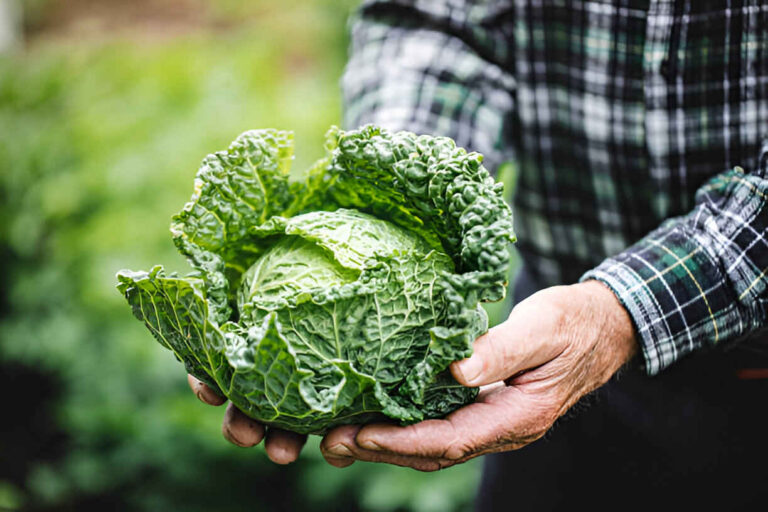
Kale, the undisputed king of leafy greens, has long been celebrated for its exceptional nutritional profile. This humble vegetable has risen to the forefront of the health and wellness movement, captivating the attention of health-conscious individuals worldwide. In this comprehensive guide, we will delve into the unparalleled nutritional riches of kale, exploring its vast array of vitamins, minerals, and antioxidants that make it a true superfood. From its impressive vitamin and mineral content to its potent disease-fighting properties, kale’s reign as the nutritional powerhouse of the plant kingdom is undisputed. Prepare to be amazed as we uncover the reasons why kale deserves its rightful place as the king of leafy greens.

Welcome to the World of Kale

Kale, the undisputed king of leafy greens, has long been celebrated for its exceptional nutritional profile. This humble vegetable has risen to the forefront of the health and wellness movement, captivating the attention of health-conscious individuals worldwide. In this comprehensive guide, we will delve into the unparalleled nutritional riches of kale, exploring its vast array of vitamins, minerals, and antioxidants that make it a true superfood. From its impressive vitamin and mineral content to its potent disease-fighting properties, kale’s reign as the nutritional powerhouse of the plant kingdom is undisputed. Prepare to be amazed as we uncover the reasons why kale deserves its rightful place as the king of leafy greens.

History and Origins of Kale

Kale has a rich and storied history that can be traced back thousands of years. Originally cultivated in ancient Greece and Rome, this hardy, leafy green was a staple in the diets of early Mediterranean civilizations. Over time, kale’s popularity spread throughout Europe, where it became a beloved ingredient in traditional cuisines.

The Rise of Kale in the Modern Era

In the 20th century, kale experienced a resurgence in popularity, particularly in the United States. As the health and wellness movement gained momentum, the nutritional benefits of kale were rediscovered and celebrated. Today, kale has firmly established itself as a culinary superstar, gracing the menus of high-end restaurants and becoming a staple in the kitchens of health-conscious home cooks.

Kale’s Global Reach

While kale has long been a staple in European and American cuisines, its popularity has now spread to all corners of the globe. From Asia to Africa, kale is being embraced by health-conscious individuals and celebrated for its unparalleled nutritional profile. As the world becomes more interconnected, the versatility and health benefits of kale have made it a truly global phenomenon.

Nutritional Powerhouse: What Makes Kale Unmatched

Kale is renowned for its exceptional nutritional profile, boasting an impressive array of vitamins, minerals, and antioxidants that make it a true superfood. Here are some of the key factors that contribute to kale’s unmatched nutritional prowess:

High in Vitamins and Minerals

  1. Vitamin A: Kale is rich in beta-carotene, a precursor to vitamin A that supports healthy vision and immune function.
  2. Vitamin K: Kale is an excellent source of vitamin K, essential for blood clotting and bone health.
  3. Calcium: Kale is a good source of calcium, vital for maintaining strong bones and teeth.
  4. Iron: Kale contains iron, which plays a crucial role in transporting oxygen throughout the body.

Antioxidant-Rich

  1. Quercetin: Kale is rich in quercetin, a powerful antioxidant that helps protect against inflammation and oxidative stress.
  2. Kaempferol: Kale contains kaempferol, another potent antioxidant that supports cardiovascular health.
  3. Fiber: Kale is high in dietary fiber, which aids digestion and supports healthy gut bacteria.

Other Key Nutrients

  1. Folate: Kale is a good source of folate, essential for cell growth and development.
  2. Potassium: Kale contains potassium, which helps regulate blood pressure and supports overall cardiovascular health.
  3. Manganese: Kale is a rich source of manganese, a mineral involved in enzyme function and antioxidant defenses.

Kale’s Unique Nutritional Profile

  1. High Water Content: Kale has a high water content, making it low in calories and high in fiber, which supports healthy digestion.
  2. Glucosinolates: Kale contains glucosinolates, which are converted into sulforaphane, a potent antioxidant that supports cancer prevention.

Health Benefits of Kale

Kale’s exceptional nutritional profile translates into a wide range of impressive health benefits. From supporting cardiovascular health to reducing the risk of chronic diseases, kale’s versatility as a superfood is truly remarkable. Let’s explore some of the key health benefits of incorporating kale into your diet:

Cardiovascular Health

  1. Cholesterol Reduction: Kale is rich in soluble fiber, which can help lower LDL (bad) cholesterol levels and support overall heart health.
  2. Blood Pressure Regulation: The potassium in kale helps balance sodium levels, contributing to healthy blood pressure.
  3. Inflammation Reduction: The antioxidants in kale, such as quercetin and kaempferol, help reduce inflammation, which is a key risk factor for heart disease.

Cancer Prevention

  1. Antioxidant Protection: Kale’s high levels of vitamins A, C, and K, as well as its rich content of carotenoids and glucosinolates, provide powerful antioxidant protection that can help prevent cellular damage and reduce cancer risk.
  2. Detoxification Support: Kale’s glucosinolates are converted into compounds that support the body’s natural detoxification processes, which can help eliminate carcinogens and reduce cancer risk.

Improved Digestion

  1. Fiber Content: Kale is high in fiber, which promotes regular bowel movements and supports a healthy gut microbiome.
  2. Prebiotic Properties: The fiber in kale acts as a prebiotic, feeding the beneficial bacteria in the gut and promoting overall digestive health.

Bone Health

  1. Calcium and Vitamin K: Kale is a good source of calcium and vitamin K, both of which are essential for maintaining strong, healthy bones.
  2. Manganese: Kale contains manganese, a mineral that plays a crucial role in bone formation and development.

Eye Health

  1. Lutein and Zeaxanthin: Kale is rich in these two carotenoids, which help protect the eyes from damaging UV light and support overall eye health.

Immune System Support

  1. Vitamin C: Kale is an excellent source of vitamin C, which is essential for a strong immune system and supports the body’s ability to fight off infections and illnesses.

Weight Management

  1. Low in Calories, High in Nutrients: Kale is low in calories but packed with essential nutrients, making it an ideal food for weight management and overall health.

By incorporating kale into your diet, you can take advantage of its impressive array of health benefits and support your overall well-being. Whether you enjoy it raw in salads, sautéed as a side dish, or blended into smoothies, kale is a versatile and nutritious addition to any healthy lifestyle.

Incorporating Kale into Your Diet

Kale’s exceptional nutritional profile and wide-ranging health benefits make it a must-have ingredient in any health-conscious kitchen. Fortunately, there are numerous delicious and creative ways to incorporate kale into your diet. Let’s explore some of the best methods for enjoying this superfood:

Salads and Smoothies

  1. Kale Salads: Kale makes an excellent base for fresh, nutrient-dense salads. Try mixing it with other leafy greens, vegetables, fruits, nuts, and a healthy dressing.
  2. Kale Smoothies: Blend kale with fruits, vegetables, and other nutrient-rich ingredients for a quick and easy way to boost your daily nutrient intake.

Sautéed and Roasted Kale

  1. Sautéed Kale: Sauté kale with garlic, olive oil, and a splash of lemon juice for a simple and flavorful side dish.
  2. Roasted Kale Chips: Toss kale leaves with olive oil, salt, and your favorite seasonings, then bake until crispy for a delicious, crunchy snack.

Kale in Soups and Stews

  1. Kale in Soups: Add chopped kale to your favorite soups and stews for an extra boost of nutrients and fiber.
  2. Kale-Based Minestrone: Create a hearty, nutrient-dense minestrone soup by including kale as one of the main ingredients.

Pasta and Grain Dishes

  1. Kale Pesto Pasta: Blend kale with nuts, garlic, and olive oil to create a delicious pesto sauce for your favorite pasta dishes.
  2. Kale and Quinoa Bowls: Combine cooked quinoa with sautéed kale, roasted vegetables, and a flavorful dressing for a complete and satisfying meal.

Kale Juices and Smoothies

  1. Kale Juice: Juice kale with other fruits and vegetables for a nutrient-packed beverage that’s easy to incorporate into your daily routine.
  2. Kale Smoothies: Blend kale with your choice of fruits, vegetables, and other nutrient-rich ingredients for a quick and easy way to boost your nutrient intake.

Tips for Preparing Kale

  1. Massage the Kale: Massaging kale with a bit of olive oil or lemon juice can help soften the leaves and make them more palatable, especially when eating it raw.
  2. Remove Tough Stems: Trim the tough stems from kale leaves before cooking or using in recipes.
  3. Experiment with Varieties: Try different varieties of kale, such as curly kale, lacinato kale, or red Russian kale, to find the ones you enjoy the most.

By incorporating kale into your diet in a variety of ways, you can take advantage of its exceptional nutritional profile and enjoy the numerous health benefits it has to offer. Whether you’re a seasoned kale enthusiast or new to this superfood, there’s no shortage of delicious and creative ways to enjoy this king of leafy greens.

Kale Preparation Tips: Making the Most of Your Greens

Kale is a versatile and nutrient-dense ingredient that can be enjoyed in a variety of ways, from raw salads to sautéed side dishes. However, to get the most out of your kale, it’s important to properly prepare and handle it. Here are some tips for preparing kale to ensure maximum flavor, texture, and nutritional value:

Selecting and Storing Kale

  1. Choose Fresh, Vibrant Leaves: Look for kale with crisp, dark green leaves and firm stems. Avoid leaves that are wilted, yellowed, or have brown spots.
  2. Store Kale Properly: Wrap kale in a damp paper towel and place it in a resealable plastic bag in the refrigerator. It will keep for up to 5 days.

Washing and Drying Kale

  1. Wash Thoroughly: Rinse kale leaves under cool running water, gently rubbing the leaves to remove any dirt or debris.
  2. Dry Completely: Use a salad spinner or pat the leaves dry with a clean towel to remove excess moisture. Wet kale can cause sogginess in salads and other dishes.

Removing Tough Stems

  1. Strip the Leaves: Hold the stem end of a kale leaf and run your fingers along the stem to strip the leaves from the tough center rib.
  2. Chop the Stems: If desired, chop the stems into small pieces and sauté them along with the leaves for added texture and nutrition.

Massaging Kale for Salads

  1. Massage with Oil: If using kale in a raw salad, massage the leaves with a small amount of olive oil or lemon juice. This helps break down the tough fibers and makes the leaves more tender and palatable.
  2. Let it Rest: After massaging, let the kale sit for 5-10 minutes to allow the leaves to soften further before assembling your salad.

Cooking Kale

  1. Sauté or Roast: Kale can be sautéed with garlic and olive oil or roasted with a drizzle of oil and your favorite seasonings for a crispy texture.
  2. Add to Soups and Stews: Kale holds up well to long cooking times, making it an excellent addition to soups, stews, and braises.

Storing Cooked Kale

  1. Refrigerate Promptly: Store cooked kale in an airtight container in the refrigerator for up to 3-4 days.
  2. Reheat Gently: When ready to serve, reheat kale gently in a skillet with a splash of water or broth to prevent it from drying out.

By following these tips for selecting, storing, washing, and preparing kale, you can ensure that you get the most out of this nutritional powerhouse. Whether you enjoy it raw, cooked, or blended into smoothies, kale is a versatile and delicious addition to any healthy diet.

Growing Your Own Kale

Growing your own kale is a rewarding and cost-effective way to enjoy this nutritional powerhouse. Kale is relatively easy to grow, even for beginner gardeners, and can thrive in a variety of climates and growing conditions. Here’s a guide to help you get started with growing your own kale:

Choosing the Right Variety

  1. Curly Kale: This is the most common variety, known for its ruffled, dark green leaves.
  2. Lacinato Kale: Also known as Tuscan or dinosaur kale, this variety has dark blue-green, bumpy leaves.
  3. Red Russian Kale: This variety has purple-tinged, tender leaves and a mild, sweet flavor.

Planting Kale

  1. Timing: Kale can be grown as both a spring and fall crop. Plant seeds 4-6 weeks before the last expected frost for a spring harvest, and 6-8 weeks before the first expected frost for a fall harvest.
  2. Soil: Kale prefers well-draining, nutrient-rich soil with a pH between 6.0 and 7.5.
  3. Spacing: Plant seeds 1/2 inch deep and 12-18 inches apart in rows spaced 2-3 feet apart.

Caring for Your Kale Plants

  1. Watering: Keep the soil consistently moist, especially during dry spells. Aim for about 1 inch of water per week.
  2. Fertilizing: Apply a balanced, slow-release fertilizer at planting time, and side-dress with compost or a nitrogen-rich fertilizer every 4-6 weeks.
  3. Weeding: Keep the area around your kale plants free of weeds, which can compete for nutrients and water.

Harvesting Kale

  1. When to Harvest: Kale leaves can be harvested as soon as they are large enough to use, usually 4-6 weeks after planting.
  2. How to Harvest: Use a sharp knife or scissors to cut leaves from the bottom of the plant, leaving the growing tip intact. This encourages continued growth.
  3. Storing: Store harvested kale in the refrigerator, wrapped in a damp paper towel and placed in a resealable plastic bag. It will keep for up to 5 days.

Extending Your Kale Harvest

  1. Succession Planting: For a continuous harvest, plant new seeds every 2-3 weeks throughout the growing season.
  2. Overwintering: In mild climates, kale can be overwintered by mulching heavily around the plants or growing them in a cold frame or greenhouse.

Growing your own kale is a rewarding and cost-effective way to enjoy this nutritional powerhouse. With a little planning and care, you can enjoy a bountiful harvest of fresh, flavorful kale all season long.

Best Varieties to Grow at Home

When it comes to growing your own kale, there are several varieties that stand out as particularly well-suited for home gardens. Here are some of the best kale varieties to consider for your backyard or container garden:

Curly Kale (Brassica oleracea var. sabellica)

  1. Description: Curly kale is the most common variety, known for its ruffled, dark green leaves.
  2. Growing Habits: Curly kale is a hardy, cool-weather crop that can tolerate frost and light freezes.
  3. Flavor: Curly kale has a slightly peppery, earthy flavor that becomes sweeter after exposure to frost.

Lacinato Kale (Brassica oleracea var. palmifolia)

  1. Description: Also known as Tuscan or dinosaur kale, this variety has dark blue-green, bumpy leaves.
  2. Growing Habits: Lacinato kale is a compact, upright grower that is well-suited for container gardening.
  3. Flavor: Lacinato kale has a sweet, mild flavor that is less bitter than other varieties.

Red Russian Kale (Brassica napus var. pabularia)

  1. Description: This variety has purple-tinged, tender leaves and a mild, sweet flavor.
  2. Growing Habits: Red Russian kale is a fast-growing, cold-hardy variety that can tolerate partial shade.
  3. Flavor: Red Russian kale has a delicate, sweet flavor that is less bitter than other kale varieties.

Dwarf Blue Curled Kale (Brassica oleracea var. sabellica)

  1. Description: This compact variety has blue-green, finely curled leaves and a bushy growth habit.
  2. Growing Habits: Dwarf Blue Curled kale is well-suited for containers and small gardens, growing to a height of 12-15 inches.
  3. Flavor: This variety has a mild, slightly sweet flavor that is less bitter than some other kale varieties.

Redbor Kale (Brassica oleracea var. sabellica)

  1. Description: Redbor kale has deep purple, ruffled leaves that hold their color well in the garden.
  2. Growing Habits: This variety is a vigorous grower that can tolerate partial shade and is resistant to bolting in hot weather.
  3. Flavor: Redbor kale has a slightly sweeter flavor than some other purple varieties, with a tender texture.

When choosing a kale variety for your home garden, consider your growing conditions, space constraints, and personal flavor preferences. With a little trial and error, you’re sure to find a variety that thrives in your garden and suits your culinary tastes.

Tips for a Thriving Kale Garden

Growing a successful kale garden requires a combination of proper planning, care, and attention to detail. Here are some essential tips to help you create a thriving kale garden:

Soil Preparation

  1. Test Your Soil: Before planting, test your soil to determine its pH and nutrient levels. Kale prefers well-draining, nutrient-rich soil with a pH between 6.0 and 7.5.
  2. Amend the Soil: If necessary, amend your soil with compost or a balanced fertilizer to improve drainage and nutrient content.
  3. Raised Beds: Consider growing kale in raised beds. Which can improve drainage and allow you to better control the soil composition.

Planting and Spacing

  1. Timing: Plant kale seeds 4-6 weeks before the last expected frost for a spring harvest. And 6-8 weeks before the first expected frost for a fall harvest.
  2. Spacing: Plant seeds 1/2 inch deep and 12-18 inches apart in rows spaced 2-3 feet apart.
  3. Succession Planting: For a continuous harvest, plant new seeds every 2-3 weeks throughout the growing season.

Watering and Mulching

  1. Consistent Moisture: Keep the soil consistently moist, especially during dry spells. Aim for about 1 inch of water per week.
  2. Mulching: Apply a 2-3 inch layer of organic mulch around the plants to help retain moisture and suppress weeds.

Pest and Disease Management

  1. Row Covers: Use row covers or floating row covers to protect your kale plants from pests like cabbage worms and aphids.
  2. Crop Rotation: Practice crop rotation to help prevent the buildup of soil-borne diseases and pests.
  3. Companion Planting: Consider companion planting kale with herbs like rosemary or thyme, which can help repel pests.

Harvesting and Storage

  1. Harvesting: Harvest kale leaves as soon as they are large enough to use, usually 4-6 weeks after planting. Cut leaves from the bottom of the plant, leaving the growing tip intact.
  2. Storage: Store harvested kale in the refrigerator, wrapped in a damp paper towel and placed in a resealable plastic bag. It will keep for up to 5 days.

Overwintering

  1. Mulching: In mild climates, kale can be overwintered by mulching heavily around the plants with straw or leaves.
  2. Cold Frames: Growing kale in a cold frame or greenhouse can extend. The harvest season and protect plants from frost and cold temperatures.

By following these tips and paying attention to the specific needs of your kale plants. You can create a thriving kale garden that provides. A bountiful harvest of this nutritional powerhouse. With a little care and attention, you can enjoy fresh, flavorful kale all season long.

Conclusion

Kale, the undisputed king of leafy greens. Has proven itself to be an exceptional addition to any healthy diet. Its unparalleled nutritional profile, rich in vitamins, minerals, and antioxidants. Makes it a true superfood that supports overall health and well-being. From its impressive cardiovascular benefits to its potential in cancer prevention and immune system support. Kale’s versatility as a health-promoting ingredient is truly remarkable. As we’ve explored in this comprehensive guide. There are numerous delicious and creative ways to incorporate kale into your diet. Whether you enjoy it raw in salads, sautéed as a side dish, or blended into smoothies. kale is a versatile and nutritious addition to any meal. And for those with a green thumb. Growing your kale can be a rewarding and cost-effective way to enjoy this nutritional powerhouse.

As we prioritize our health and well-being. kale remains a steadfast ally in our pursuit of optimal nutrition. By embracing this king of leafy greens and incorporating it into our daily lives. We can take a significant step towards a healthier, more vibrant future. So, let us raise a glass (or a kale salad) to the unparalleled nutritional riches of kale and the countless ways it can enrich our lives.

The Surprising Health Benefits of Onions: A Nutritional Powerhouse in Your Kitchen

0

Onions are a staple ingredient in kitchens around the world, adding flavor and depth to countless dishes. But did you know that this humble vegetable is also a nutritional powerhouse, packed with vitamins, minerals, and beneficial plant compounds? From boosting immunity to reducing inflammation, onion nutrition offers a surprising array of health benefits that make it an essential part of a balanced diet. In this article, we’ll explore the impressive nutritional profile of onions and discover why incorporating them into your meals can be a simple yet effective way to support your overall well-being.

The Unassuming Onion: An Overview

Onions (Allium cepa) are a member of the Allium family, which also includes garlic, shallots, and leeks. They are one of the most widely cultivated and consumed vegetables in the world, with a history that dates back thousands of years. Despite their ubiquity in cuisines across the globe, onions are often overlooked for their impressive nutritional value.

Nutritional Composition of Onions

Onions are a rich source of various vitamins, minerals, and beneficial plant compounds. They are particularly high in:

  • Vitamin C: Onions contain a significant amount of vitamin C, which is essential for immune function and collagen production.
  • Vitamin B6: This vitamin plays a role in protein metabolism and red blood cell formation.
  • Manganese: A trace mineral that is involved in antioxidant defenses and metabolism.
  • Fiber: Onions are a good source of both soluble and insoluble fiber, which promote digestive health and regular bowel movements.

In addition to these essential nutrients, onions also contain a variety of phytochemicals, such as flavonoids and sulfur compounds, which contribute to their unique flavor and potential health benefits.

Varieties and Culinary Uses

Onions come in a wide range of colors, sizes, and shapes, including yellow, white, red, and shallots. Each variety has its own distinct flavor profile, ranging from pungent and spicy to sweet and mild. Onions can be enjoyed raw, cooked, or pickled, and are used in a variety of dishes, from soups and stews to salads and sandwiches.

Packed with Nutrients: What’s Inside an Onion

Onions are a nutritional powerhouse, containing a wide array of vitamins, minerals, and beneficial plant compounds. Let’s take a closer look at the key nutrients found in this versatile vegetable.

Vitamins

  • Vitamin C: Onions are a good source of vitamin C, with one medium onion providing about 10% of the recommended daily intake.
  • Vitamin B6: This essential vitamin is involved in protein metabolism and red blood cell formation.
  • Folate: Also known as vitamin B9, folate is crucial for cell growth and development, particularly during pregnancy.

Minerals

  • Manganese: A trace mineral that plays a role in antioxidant defenses and metabolism.
  • Copper: Necessary for the production of red blood cells and the maintenance of nerve function.
  • Chromium: Involved in regulating blood sugar levels and supporting insulin function.

Fiber

Onions are a good source of both soluble and insoluble fiber. Soluble fiber helps to lower cholesterol levels and regulate blood sugar, while insoluble fiber promotes digestive health and regular bowel movements.

Phytochemicals

Onions contain a variety of beneficial plant compounds, including:

  • Flavonoids: Powerful antioxidants that may help reduce inflammation and protect against certain types of cancer.
  • Sulfur compounds: Give onions their characteristic pungent flavor and may have anti-inflammatory and antimicrobial properties.
  • Allicin: A sulfur compound found in onions and garlic that has been studied for its potential health benefits, such as reducing blood pressure and cholesterol levels.

These nutrients work together synergistically to provide a wide range of health benefits, making onions a nutritional powerhouse in your kitchen.

Boosting Immunity: How Onions Keep You Healthy

Onions are not only delicious, but they also offer a range of health benefits, particularly when it comes to supporting a healthy immune system. Let’s explore how the nutrients in onions can help keep you feeling your best.

Vitamin C and Immune Function

Vitamin C is a powerful antioxidant that plays a crucial role in immune function. It helps to stimulate the production of white blood cells and antibodies, which are essential for fighting off infections and illnesses. Onions are a good source of vitamin C, providing about 10% of the recommended daily intake in one medium onion.

Quercetin and Anti-inflammatory Effects

Onions are rich in the flavonoid quercetin, which has been shown to have anti-inflammatory properties. Inflammation is a natural response to injury or infection, but chronic inflammation can contribute to the development of various health problems, including heart disease and cancer. By reducing inflammation, quercetin may help to support overall health and well-being.

Sulfur Compounds and Antimicrobial Activity

Onions contain a variety of sulfur compounds, such as allicin, which have been studied for their potential antimicrobial effects. These compounds may help to inhibit the growth of harmful bacteria and viruses, potentially reducing the risk of infections.

Prebiotic Effects and Gut Health

The fiber in onions acts as a prebiotic, which means it helps to feed the beneficial bacteria in your gut. A healthy gut microbiome is essential for proper immune function, as the majority of your immune cells are located in the digestive tract. By supporting gut health, the fiber in onions may indirectly boost immune function.

Heart Health: Onions and Cardiovascular Benefits

In addition to their immune-boosting properties, onions also offer potential benefits for heart health. Let’s explore how the nutrients in onions may help to support a healthy cardiovascular system.

Quercetin and Cholesterol Levels

Onions are a rich source of the flavonoid quercetin, which has been studied for its potential effects on cholesterol levels. Some research suggests that quercetin may help to lower LDL (bad) cholesterol and raise HDL (good) cholesterol, potentially reducing the risk of heart disease.

Sulfur Compounds and Blood Pressure

Onions contain various sulfur compounds, such as allicin, which may have a positive impact on blood pressure. Some studies have found that consuming onions or garlic regularly may help to lower blood pressure, particularly in individuals with hypertension.

Fiber and Heart Health

The fiber in onions may also contribute to cardiovascular benefits. Soluble fiber helps to lower cholesterol levels by binding to cholesterol in the digestive system and eliminating it from the body. Insoluble fiber promotes regular bowel movements and may help to regulate blood sugar levels, which is important for heart health.

Antioxidant Properties and Inflammation

Onions are rich in antioxidants, which help to neutralize harmful free radicals and reduce oxidative stress. Chronic inflammation is a risk factor for heart disease, and the antioxidants in onions may help to reduce inflammation, potentially lowering the risk of cardiovascular problems.

Onions and Digestive Health: A Perfect Pair

In addition to their potential benefits for immune function and heart health, onions also play a role in supporting digestive health. Let’s explore how the nutrients in onions can help to keep your digestive system running smoothly.

Fiber and Digestive Health

Onions are a good source of both soluble and insoluble fiber, which are essential for maintaining a healthy digestive system. Soluble fiber helps to soften stool and promote regular bowel movements, while insoluble fiber adds bulk to the stool and helps to prevent constipation.

Prebiotic Effects and Gut Health

The fiber in onions acts as a prebiotic, which means it helps to feed the beneficial bacteria in your gut. A healthy gut microbiome is essential for proper digestive function, as well as overall health and well-being. By supporting gut health, the fiber in onions may help to reduce the risk of digestive problems such as irritable bowel syndrome (IBS) and inflammatory bowel disease (IBD).

Sulfur Compounds and Anti-inflammatory Effects

Onions contain various sulfur compounds, such as allicin, which have been studied for their potential anti-inflammatory effects. Chronic inflammation in the digestive system can contribute to the development of various health problems, including IBS and IBD. By reducing inflammation, the sulfur compounds in onions may help to support digestive health and reduce the risk of these conditions.

Quercetin and Antioxidant Properties

Onions are a rich source of the flavonoid quercetin, which has been shown to have antioxidant properties. Oxidative stress can contribute to the development of various health problems, including digestive disorders. By neutralizing harmful free radicals and reducing oxidative stress, the antioxidants in onions may help to support digestive health and reduce the risk of these conditions.

Blood Sugar Control: Onions for Diabetics

Onions may also offer benefits for individuals with diabetes or those looking to maintain healthy blood sugar levels. Let’s explore how the nutrients in onions can help to support blood sugar control.

Fiber and Blood Sugar Regulation

Onions are a good source of both soluble and insoluble fiber, which can help to regulate blood sugar levels. Soluble fiber slows the absorption of glucose, helping to prevent spikes in blood sugar after meals. Insoluble fiber adds bulk to the stool and helps to promote regular bowel movements, which is important for overall health and well-being.

Chromium and Insulin Function

Onions contain a trace mineral called chromium, which plays a role in regulating blood sugar levels and supporting insulin function. Insulin is a hormone produced by the pancreas that helps to regulate blood sugar levels by facilitating the uptake of glucose into cells. By supporting insulin function, chromium may help to maintain healthy blood sugar levels.

Quercetin and Anti-inflammatory Effects

Onions are a rich source of the flavonoid quercetin, which has been studied for its potential anti-inflammatory effects. Chronic inflammation is a risk factor for various health problems, including type 2 diabetes. By reducing inflammation, the antioxidants in onions may help to support overall health and reduce the risk of these conditions.

Allicin and Blood Sugar Regulation

Onions contain a sulfur compound called allicin, which has been studied for its potential effects on blood sugar regulation. Some research suggests that allicin may help to lower blood sugar levels by inhibiting the activity of certain enzymes involved in glucose metabolism.

Cancer-fighting Properties: Onions in Disease Prevention

In addition to their potential benefits for immune function, heart health, digestive health, and blood sugar control, onions may also offer protection against certain types of cancer. Let’s explore how the nutrients in onions can help to reduce the risk of cancer.

Quercetin and Anti-cancer Effects

Onions are a rich source of the flavonoid quercetin, which has been studied for its potential anti-cancer effects. Quercetin has been shown to have antioxidant and anti-inflammatory properties, which may help to protect cells from damage and reduce the risk of cancer development.

Allicin and Cancer Prevention

Onions contain a sulfur compound called allicin, which has been studied for its potential effects on cancer prevention. Some research suggests that allicin may help to inhibit the growth and spread of cancer cells, particularly in the case of prostate and stomach cancer.

Organosulfur Compounds and Cancer Risk Reduction

In addition to allicin, onions also contain other organosulfur compounds, such as diallyl disulfide (DADS) and diallyl trisulfide (DATS). These compounds have been studied for their potential effects on cancer risk reduction, particularly in the case of breast and colon cancer.

Fiber and Cancer Prevention

The fiber in onions may also contribute to cancer prevention. Soluble fiber helps to bind to carcinogens and eliminate them from the body, while insoluble fiber adds bulk to the stool and helps to promote regular bowel movements, which is important for overall digestive health and cancer prevention.

Onions in Your Diet: Creative and Delicious Ways to Enjoy

Onions are a versatile ingredient that can be enjoyed in a variety of ways, from raw to cooked to pickled. Here are some creative and delicious ideas for incorporating onions into your diet:

Raw Onions

  • Add sliced raw onions to salads, sandwiches, and tacos for a crunchy texture and pungent flavor.
  • Make a simple onion relish by chopping onions and mixing them with vinegar, sugar, and spices.
  • Use raw onions as a topping for grilled meats or fish.

Cooked Onions

  • Sauté onions with garlic and olive oil as a base for soups, stews, and sauces.
  • Roast onion wedges in the oven with other vegetables for a simple and flavorful side dish.
  • Grill onion slices alongside burgers or chicken for added flavor.

Pickled Onions

  • Make quick pickled onions by slicing onions and soaking them in a vinegar-based brine with sugar and spices.
  • Use pickled onions as a topping for tacos, burgers, or salads for a tangy and crunchy contrast.
  • Incorporate pickled onions into sandwiches or wraps for added flavor and texture.

Onion Soup

  • Make a classic French onion soup by simmering caramelized onions in beef broth and topping it with croutons and melted cheese.
  • Experiment with different types of onions, such as shallots or leeks, to create unique flavor profiles in your onion soup.
  • Serve onion soup as a starter or a light main course with a side salad.

By incorporating onions into your diet in creative and delicious ways, you can take advantage of their impressive array of nutrients and potential health benefits. Whether you enjoy them raw, cooked, or pickled, onions are a versatile and essential ingredient in any kitchen.

Conclusion

Onions are a humble yet powerful ingredient that offers a surprising array of health benefits. From boosting immunity to reducing inflammation, supporting heart health, maintaining digestive function, and even potentially preventing certain types of cancer, onions are a nutritional powerhouse that deserves a place in every kitchen. By incorporating onions into your diet, you can take advantage of their impressive nutrient profile, including vitamins, minerals, fiber, and beneficial plant compounds like flavonoids and sulfur. Whether you enjoy raw, cooked, or pickled, onions are a versatile and delicious way to support your overall well-being.

So next time you reach for an onion, remember that you’re not just adding flavor to your dish – you’re also supporting your health in a variety of ways. Embrace the power of this humble vegetable and make onions a regular part of your balanced diet for optimal health and vitality.

The Oranges Nutrition Powerhouse: Exploring the Benefits of Oranges

0

Oranges are a beloved citrus fruit that has long been celebrated for their vibrant color, refreshing taste, and versatility in the kitchen. However, beyond their delightful culinary applications, oranges are also a true nutrition powerhouse, packed with an array of essential vitamins, minerals, and antioxidants that can provide a wealth of health benefits. In this blog post, we’ll delve into the nutritional profile of oranges, exploring the key nutrients they contain and how they can support overall well-being. From boosting immune function to promoting healthy skin and vision, the humble orange is a true superfood that deserves a closer look.

A Journey Through the History of Oranges

Oranges have a rich and fascinating history that spans centuries and continents. The origins of this beloved citrus fruit can be traced back to ancient Asia, where various species of wild oranges have been cultivated for thousands of years. The earliest known records of orange cultivation date back to around 2500 BC in China, where the fruit was highly prized for its medicinal properties and used in religious ceremonies.

From Asia, the cultivation of oranges slowly spread to other parts of the world, including the Mediterranean region and the Middle East. The Moors, who ruled parts of Spain for several centuries, are credited with introducing oranges to the Iberian Peninsula in the 8th century AD. As trade routes expanded, oranges made their way to Europe, where they quickly gained popularity among the aristocracy and became a symbol of wealth and status.

The arrival of oranges in the Americas is closely tied to the age of exploration and colonization. Spanish explorers brought the first orange trees to the New World in the late 15th century, and the fruit soon became a staple in many tropical and subtropical regions. Today, oranges are grown in numerous countries around the world, with major producers including Brazil, the United States, China, and Spain.

What’s Inside an Orange

Oranges are not just a delicious and refreshing fruit, but they are also packed with a wide array of essential nutrients that can provide numerous health benefits. Let’s take a closer look at the nutritional composition of oranges:

Vitamins

Oranges are an excellent source of vitamin C, with a single medium-sized orange containing around 70 milligrams of this essential nutrient. Vitamin C is a powerful antioxidant that supports immune function, collagen production, and healthy skin. Oranges also contain smaller amounts of vitamins A, B1 (thiamine), B6, and folate.

Minerals

Oranges are a good source of several important minerals, including potassium, calcium, and magnesium. Potassium is crucial for maintaining healthy blood pressure, while calcium and magnesium play vital roles in bone health and muscle function.

Fiber

Oranges are a rich source of dietary fiber, with a medium-sized orange containing around 3 grams of fiber. This fiber can help promote healthy digestion, regulate blood sugar levels, and support feelings of fullness.

Antioxidants

Oranges are packed with a variety of antioxidants, including flavonoids, carotenoids, and limonoids. These compounds can help protect the body against oxidative stress and inflammation, which are linked to various chronic health conditions.

Health Benefits of Oranges

Oranges are not only a delicious and refreshing fruit, but they are also packed with a wide array of essential nutrients that can provide numerous health benefits. Here are some of the key ways in which oranges can support overall health:

Immune System Support

Oranges are an excellent source of vitamin C, which is a powerful antioxidant that supports the immune system. Vitamin C helps stimulate the production of white blood cells and antibodies, which are crucial for fighting off infections and illnesses.

Skin Health

Vitamin C is also essential for the production of collagen, a protein that provides structure and elasticity to the skin. Oranges can help promote healthy, glowing skin and may even help reduce the appearance of fine lines and wrinkles.

Heart Health

The fiber, potassium, and antioxidants found in oranges can all contribute to heart health. Fiber helps lower cholesterol levels, while potassium supports healthy blood pressure. Antioxidants can help protect against oxidative stress and inflammation, which are linked to an increased risk of heart disease.

Cancer Prevention

Some studies suggest that the antioxidants and phytochemicals found in oranges may help reduce the risk of certain types of cancer, including breast, prostate, and colon cancer. More research needed in this area, but the potential benefits promising.

Diabetes Management

The fiber and low glycemic index of oranges can help regulate blood sugar levels and support healthy insulin function. This makes oranges a great choice for individuals with diabetes or those looking to maintain healthy blood sugar levels.

Juices and Smoothies: A Refreshing Twist

Oranges are not only delicious on their own, but they also make a great addition to a variety of juices and smoothies. Here are some ideas for incorporating oranges into refreshing and nutritious beverages:

Orange Juice

Fresh orange juice is a classic and popular choice. Simply squeeze the juice from several oranges and enjoy it on its own or mixed with other juices like grapefruit or pineapple. For a twist, try adding a splash of sparkling water for a refreshing spritzer.

Orange Smoothie

Blend together orange segments, yogurt or milk, and a touch of honey for a creamy and satisfying smoothie. You can also add other fruits like bananas or berries, or even leafy greens like spinach or kale for an extra nutrient boost.

Carrot Orange Juice

Combine freshly juiced carrots and oranges for a vibrant and flavorful juice that packed with vitamins A and C. You can also add ginger for a little zing or turmeric for its anti-inflammatory properties.

Orange Mango Smoothie

Blend together orange segments, mango chunks, Greek yogurt, and a touch of honey or vanilla extract for a tropical and creamy smoothie. Top with toasted coconut or sliced almonds for a delicious crunch.

Orange Pineapple Smoothie

Combine orange segments, pineapple chunks, Greek yogurt, and a squeeze of lime juice for a refreshing and tangy smoothie. You can also add a handful of spinach or kale for added nutrients.

Tips for Selecting and Storing Oranges

To get the most out of the nutritional and flavor benefits of oranges, it’s important to know how to properly select and store them. Here are some tips to help you choose and preserve the freshness of your oranges:

Selecting Oranges

  • Look for oranges that are heavy for their size and have a bright, glossy skin. Avoid oranges with blemishes, soft spots, or dull, wrinkled skin.
  • Choose oranges that feel firm and heavy, with a slight give when gently squeezed. Avoid oranges that are overly soft or hard.
  • If possible, opt for oranges that are in season for the best flavor and juiciness. In the Northern Hemisphere, the peak season is typically from December to May.

Storing Oranges

  • Store oranges at room temperature, away from direct sunlight, for up to one week. This will help preserve their flavor and texture.
  • For longer storage, refrigerate oranges in a plastic bag or airtight container. They can typically kept in the fridge for up to two weeks.
  • Avoid storing oranges near other fruits or vegetables, as the ethylene gas they produce can cause the oranges to ripen and spoil more quickly.
  • If you have an abundance of oranges, you can also freeze the segments or juice for later use. Frozen oranges will keep for up to 8-12 months.

By following these tips, you can ensure that you always have fresh, flavorful oranges on hand to enjoy their many health benefits and culinary versatility.

Storing Oranges: Keeping Them Fresh and Flavorful

Proper storage is key to maintaining the freshness, flavor, and nutritional value of oranges. Here are some tips for storing oranges to ensure they stay at their best:

Room Temperature Storage

  • For short-term storage, keep oranges at room temperature, away from direct sunlight or heat sources.
  • Oranges stored at room temperature will typically last for up to one week.
  • Store oranges in a single layer, rather than stacking them, to prevent bruising and premature spoilage.

Refrigerator Storage

  • For longer-term storage, refrigerate oranges in a plastic bag or airtight container.
  • Properly stored in the fridge, oranges can last for up to two weeks.
  • Avoid storing oranges near other fruits or vegetables, as the ethylene gas they produce can cause the oranges to ripen and spoil more quickly.

Freezing

  • If you have an abundance of oranges, you can freeze them for longer-term storage.
  • Peel and segment the oranges, then place the segments in a single layer on a baking sheet and freeze until solid.
  • Transfer the frozen orange segments to an airtight container or freezer bag. Properly frozen, they can last for 8-12 months.

Juicing and Zesting

  • If you plan to use the oranges for juicing or zesting, storing them at room temperature is best.
  • The oils in the orange peel can become bitter when stored in the fridge, so room temperature storage is ideal for preserving the fresh flavor.

By following these storage tips, you can ensure that your oranges stay fresh, flavorful, and packed with their essential nutrients for as long as possible.

Conclusion

In conclusion, oranges are a true nutrition powerhouse. Offering a wealth of essential vitamins, minerals, and antioxidants that can provide numerous health benefits. From boosting immune function and supporting skin health. Promoting heart health and potentially reducing the risk of certain cancers. The humble orange is a versatile and nutritious fruit that deserves a prominent place in a balanced diet.

By understanding the rich history and comprehensive nutritional profile of oranges. As well as the best practices for selecting and storing them. We can fully appreciate how this citrus fruit can enhance our overall well-being. Whether enjoyed on their own, incorporated into juices and smoothies. Used in various culinary applications, oranges offer a delicious and refreshing way to nourish our bodies and support our health.

As we continue to explore the wonders of the orange. Let us celebrate its vibrant color, refreshing taste, and impressive nutritional prowess. By embracing the power of this remarkable fruit. We can unlock a world of health and wellness benefits that will leave us feeling energized, rejuvenated, and inspired to live our best lives.

Chickpeas Nutrition: The Versatile Legume That Boosts Your Health

0

Chickpeas, also known as garbanzo beans, are a nutritional powerhouse that deserves a prominent place in your diet. These humble legumes are packed with an impressive array of essential vitamins, minerals, and plant-based compounds that can significantly improve your overall health. In this comprehensive guide, we’ll explore the remarkable nutritional profile of chickpeas, uncover their wide-ranging health benefits, and provide practical tips on how to incorporate these versatile legumes into your meals. Get ready to discover why chickpeas should be a staple in your pantry!

Discover the Power of Chickpeas: A Nutritional Powerhouse for Optimal Health

Chickpeas, also known as garbanzo beans, are a humble yet remarkably nutritious legume that deserve a prominent place in your diet. These versatile little legumes are packed with an impressive array of essential vitamins, minerals, and plant-based compounds that can significantly improve your overall health and well-being.In this comprehensive guide, we’ll dive deep into the remarkable nutritional profile of chickpeas, uncover their wide-ranging health benefits, and provide practical tips on how to easily incorporate these superfoods into your meals. Get ready to discover why chickpeas should be a staple in your pantry!

The Impressive Nutritional Profile of Chickpeas

Chickpeas are a true nutritional powerhouse, boasting an impressive array of essential vitamins, minerals, and plant-based compounds. Just one cup of cooked chickpeas contains:

  • High in Protein: Chickpeas are an excellent source of plant-based protein, providing around 15 grams per cup.
  • Fiber-Rich: With nearly 13 grams of fiber per cup, chickpeas can promote healthy digestion and support gut health.
  • Packed with Minerals: Chickpeas are a great source of important minerals like folate, iron, phosphorus, and zinc.
  • Antioxidant-Rich: Chickpeas contain beneficial plant compounds like polyphenols that act as powerful antioxidants in the body.

The combination of protein, fiber, minerals, and antioxidants makes chickpeas a truly remarkable superfood that can deliver a wide range of health benefits.

The Remarkable Health Benefits of Chickpeas

Incorporating chickpeas into your diet can have a profound impact on your overall health and well-being. Let’s explore some of the key ways that chickpeas can boost your health:

Improved Gut Health and Digestion

The high fiber content in chickpeas can promote healthy digestion and support the growth of beneficial gut bacteria. Fiber acts as a prebiotic, feeding the probiotics in your gut and helping to maintain a balanced microbiome.

Enhanced Muscle Growth and Recovery

As an excellent source of plant-based protein, chickpeas can support muscle growth and repair, making them a great addition to any fitness or bodybuilding regimen.

Stabilized Blood Sugar Levels

The combination of protein, fiber, and complex carbohydrates in chickpeas can help regulate blood sugar levels and prevent spikes and crashes, making them a diabetes-friendly food.

Reduced Risk of Heart Disease

Chickpeas are rich in heart-healthy nutrients like folate, magnesium, and potassium, which can help lower cholesterol levels and blood pressure, reducing the risk of cardiovascular disease.

Boosted Immune Function

The antioxidants and minerals found in chickpeas, such as zinc and vitamin C, can help strengthen the immune system and protect against infections and chronic diseases.

Incorporating Chickpeas into Your Diet

Chickpeas are incredibly versatile and can be easily incorporated into a wide variety of dishes. Here are some delicious ways to enjoy these nutritional powerhouses:

  • Roast them for a crunchy snack
  • Add them to salads, soups, and stews
  • Blend them into hummus or other dips
  • Use them as a meat substitute in vegetarian or vegan recipes
  • Incorporate them into baked goods like breads and muffins

With their nutty flavor and creamy texture, chickpeas can elevate any meal and provide a nutritional boost that will leave you feeling energized and nourished.

The Impressive Nutritional Profile of Chickpeas

Chickpeas, also known as garbanzo beans, are a true nutritional powerhouse that deserve a prominent place in your diet. These humble legumes are packed with an impressive array of essential vitamins, minerals, and plant-based compounds that can significantly improve your overall health. Let’s take a closer look at the remarkable nutritional profile of chickpeas:

Protein-Rich

Chickpeas are an excellent source of plant-based protein, providing around 15 grams of protein per cup of cooked chickpeas. This makes them a great option for vegetarians, vegans, and anyone looking to increase their protein intake.

Fiber-Packed

Chickpeas are a fiber-rich food, with nearly 13 grams of fiber per cup of cooked chickpeas. This high fiber content can promote healthy digestion, support gut health, and help you feel fuller for longer.

Mineral-Dense

Chickpeas are a great source of several important minerals, including:

  • Folate: Chickpeas are an excellent source of folate, providing over 50% of the recommended daily intake in just one cup.
  • Iron: Chickpeas are a good source of iron, with one cup containing around 25% of the daily requirement.
  • Phosphorus: Chickpeas are rich in phosphorus, a mineral that plays a crucial role in bone health and energy production.
  • Zinc: Chickpeas contain a significant amount of zinc, a mineral that supports immune function and wound healing.

Antioxidant-Rich

Chickpeas are packed with beneficial plant compounds, including polyphenols, that act as powerful antioxidants in the body. These antioxidants can help neutralize harmful free radicals and reduce the risk of chronic diseases.

Complex Carbohydrates

Chickpeas are a source of complex carbohydrates, which are slowly digested and absorbed, providing a steady supply of energy without causing blood sugar spikes.The combination of protein, fiber, minerals, and antioxidants makes chickpeas a truly remarkable superfood that can deliver a wide range of health benefits. Incorporating these versatile legumes into your diet is an easy way to boost your overall nutrition and support your well-being.

The Remarkable Health Benefits of Chickpeas

Chickpeas are not only nutritious but also offer a wide range of health benefits that can improve your overall well-being. Let’s explore some of the key ways that incorporating chickpeas into your diet can boost your health:

Improved Gut Health and Digestion

The high fiber content in chickpeas can promote healthy digestion and support the growth of beneficial gut bacteria. Fiber acts as a prebiotic, feeding the probiotics in your gut and helping to maintain a balanced microbiome. This can lead to improved nutrient absorption, reduced inflammation, and a stronger immune system.

Enhanced Muscle Growth and Recovery

As an excellent source of plant-based protein, chickpeas can support muscle growth and repair, making them a great addition to any fitness or bodybuilding regimen. The protein in chickpeas contains all the essential amino acids, making it a complete protein that can help build and maintain lean muscle mass.

Stabilized Blood Sugar Levels

The combination of protein, fiber, and complex carbohydrates in chickpeas can help regulate blood sugar levels and prevent spikes and crashes, making them a diabetes-friendly food. The fiber in chickpeas slows down the absorption of carbohydrates, leading to a more gradual rise in blood sugar levels.

Reduced Risk of Heart Disease

Chickpeas are rich in heart-healthy nutrients like folate, magnesium, and potassium, which can help lower cholesterol levels and blood pressure, reducing the risk of cardiovascular disease. The antioxidants in chickpeas can also help protect against oxidative stress, which is a major contributor to heart disease.

Boosted Immune Function

The antioxidants and minerals found in chickpeas, such as zinc and vitamin C, can help strengthen the immune system and protect against infections and chronic diseases. Zinc is essential for the proper functioning of immune cells, while vitamin C is a powerful antioxidant that can neutralize harmful free radicals.

Weight Management

Chickpeas can be a valuable addition to a weight management plan due to their high fiber and protein content. Fiber helps promote feelings of fullness and satisfaction, which can lead to reduced calorie intake and support weight loss efforts. The protein in chickpeas can also help preserve lean muscle mass during weight loss, which is important for maintaining a healthy metabolism.

Incorporating Chickpeas into Your Diet

Chickpeas are incredibly versatile and can be easily incorporated into a wide variety of dishes. Whether you’re looking to add more plant-based protein to your meals, boost your fiber intake, or simply enjoy a delicious and nutritious ingredient, chickpeas are a fantastic choice. Here are some delicious ways to enjoy these nutritional powerhouses:

Roasted Chickpeas

Roasting chickpeas is a simple and satisfying way to enjoy them as a snack or topping. Toss cooked or canned chickpeas with a bit of olive oil, your favorite seasonings, and roast them in the oven until crispy. Enjoy them on their own or sprinkle them over salads, soups, and grain bowls.

Chickpea Salads and Bowls

Chickpeas make a great addition to salads, providing a boost of protein, fiber, and texture. Try mixing them into green salads, grain bowls, or Mediterranean-inspired salads with vegetables, feta, and a tangy dressing.

Hummus and Dips

Blending chickpeas into a creamy hummus or other dip is a classic way to enjoy their flavor and nutrition. Serve hummus with fresh vegetables, whole-grain crackers, or pita bread for a satisfying and nutrient-dense snack or appetizer.

Chickpea Soups and Stews

Chickpeas are a fantastic addition to hearty soups and stews, adding substance and a creamy texture. Try incorporating them into vegetable-based soups, lentil stews, or even chili for a protein-packed and fiber-rich meal.

Chickpea Flour Baked Goods

Chickpea flour is a gluten-free, nutrient-dense alternative to traditional wheat flour. You can use it to make everything from breads and muffins to pancakes and pizza crusts, adding a boost of protein and fiber to your baked goods.

Chickpea Curries and Sautés

Chickpeas are a staple ingredient in many Indian and Middle Eastern dishes, such as curries, stir-fries, and sautés. They pair beautifully with aromatic spices, vegetables, and sauces, making them a versatile addition to your culinary repertoire.No matter how you choose to incorporate chickpeas into your diet, you’ll be enjoying a nutritional powerhouse that can deliver a wide range of health benefits. So start exploring the many delicious ways to enjoy these versatile legumes and unlock a world of improved health and well-being.

Sustainability and Environmental Impact of Chickpeas

In addition to their impressive nutritional profile and wide-ranging health benefits, chickpeas also have a positive impact on the environment, making them a sustainable and eco-friendly food choice. Let’s explore the sustainability aspects of chickpeas in more detail:

Water-Efficient Crop

Chickpeas are a relatively water-efficient crop, requiring less water to grow compared to many other legumes and grains. This makes them a more sustainable option, especially in regions with limited water resources.

Low Carbon Footprint

Chickpeas have a relatively low carbon footprint compared to animal-based proteins. As a plant-based food, the greenhouse gas emissions associated with chickpea production are significantly lower than those of meat, dairy, and other animal-derived foods.

Nitrogen-Fixing Capabilities

Chickpeas, like other legumes, have the ability to fix atmospheric nitrogen in the soil through a symbiotic relationship with nitrogen-fixing bacteria. This process helps to replenish soil fertility, reducing the need for synthetic fertilizers and improving the overall sustainability of the farming system.

Versatile and Adaptable

Chickpeas are a highly versatile crop that can be grown in a wide range of climates and soil conditions, making them a resilient and adaptable food source. This flexibility allows for more sustainable and localized food production, reducing the environmental impact of long-distance transportation.

Waste Reduction Potential

Chickpeas have a low rate of food waste, as the entire plant can be utilized. The leaves, stems, and pods can be used as animal feed, while the seeds (chickpeas) are the primary edible portion consumed by humans. This minimizes food waste and contributes to a more circular and sustainable food system.

Supporting Sustainable Practices: Choosing Organic and Fair Trade Chickpeas

When it comes to incorporating chickpeas into your diet, there are additional steps you can take to support sustainable and ethical practices. By choosing organic and fair trade chickpeas, you can further amplify the positive impact of this nutritious legume.

Organic Chickpeas

Opting for organically grown chickpeas is an excellent way to support sustainable agriculture and reduce your environmental footprint. Organic farming practices eschew the use of synthetic pesticides, herbicides, and fertilizers, which can have detrimental effects on the soil, water, and local ecosystems.By choosing organic chickpeas, you’re supporting farming methods that:

  • Promote soil health and biodiversity
  • Minimize the use of harmful chemicals
  • Reduce the risk of water and air pollution
  • Avoid the use of genetically modified organisms (GMOs)

Organic chickpeas not only benefit the environment but also ensure that you’re consuming a product that is free from synthetic additives and pesticide residues, providing you with a healthier and more sustainable food choice.

Fair Trade Chickpeas

In addition to organic certification, seeking out fair trade chickpeas is another way to support ethical and sustainable practices in the supply chain. Fair trade certification ensures that the farmers and workers involved in the production of chickpeas receive a fair and living wage, as well as access to resources and support to improve their livelihoods. When you choose fair trade chickpeas, you’re:

  • Supporting small-scale farmers and their communities
  • Ensuring that workers are treated with dignity and respect
  • Promoting sustainable farming practices and environmental stewardship
  • Contributing to the development of more equitable global trade systems

By combining organic and fair trade certifications, you can be confident that the chickpeas you’re consuming not only nourish your body but also contribute to a more sustainable and just food system.

Conclusion

Throughout this comprehensive guide, we’ve explored the remarkable nutritional profile of chickpeas and the wide-ranging health benefits they can provide. From supporting gut health and muscle growth to reducing the risk of heart disease and boosting immune function, these humble legumes are a true nutritional powerhouse that deserves a prominent place in your diet. But the benefits of chickpeas extend beyond just personal health – they also have a positive impact on the environment and support sustainable agricultural practices. As a water-efficient, low-carbon-footprint crop with nitrogen-fixing capabilities, chickpeas are a shining example of how our food choices can contribute to a more sustainable future.

By incorporating organic and fair trade chickpeas into your meals, you can further amplify the positive impact of these versatile legumes. Choosing certified organic and fair trade chickpeas ensures that you’re supporting sustainable farming methods, protecting the environment, and contributing to the well-being of the farmers and workers involved in the supply chain. As you’ve discovered, the power of chickpeas is truly multifaceted. Whether you’re looking to improve your health, support a more sustainable food system, or simply enjoy a delicious and nutritious ingredient, chickpeas are a remarkable food that should be a staple in your pantry.

Clucking Good Nutrition: The Essential Guide to Feeding Your Flock

0

As a passionate backyard chicken keeper, you understand the importance of providing your feathered friends with a balanced and nutritious diet. Chicken nutrition is the foundation for a healthy, productive, and happy flock. Whether you’re a seasoned poultry enthusiast or just starting your chicken-keeping journey, this comprehensive guide will equip you with the essential knowledge to ensure your flock thrives.

In this blog post, we’ll delve into the intricacies of chicken nutrition, exploring the key nutrients your birds require, the best feed options, and practical tips to optimize their dietary needs. From understanding the unique digestive system of chickens to creating a feeding schedule that supports their various life stages, this guide will empower you to make informed decisions about your flock’s nutrition. By the end, you’ll be equipped with the knowledge to keep your chickens clucking with good health and vitality.

Understanding Your Flock’s Nutritional Needs

Chickens have specific nutritional requirements that differ from other livestock or pets. As omnivores, they require a balanced diet that includes a variety of essential nutrients to support their overall health, growth, and egg production. Let’s explore the key components of a chicken’s nutritional needs:

Protein

Protein is a crucial macronutrient for chickens, as it supports muscle development, feather growth, and egg production. The recommended protein content in a chicken’s diet typically ranges from 16% to 20%, depending on the bird’s age and life stage.

Carbohydrates

Carbohydrates provide chickens with a reliable source of energy. They are primarily found in grains, such as corn, wheat, and oats, which should make up the bulk of a chicken’s diet.

Fats

Fats are essential for insulation, vitamin absorption, and overall energy production. Chickens require a moderate amount of healthy fats, typically around 2-4% of their total diet.

Vitamins and Minerals

Chickens need a variety of vitamins and minerals to support their immune system, bone health, and other vital functions. Key nutrients include calcium, phosphorus, vitamin A, vitamin D, and various B vitamins.

Water

Ensuring your chickens have access to clean, fresh water at all times is crucial for their overall health and well-being. Water makes up a significant portion of a chicken’s diet and is essential for proper digestion, temperature regulation, and egg production.

Choosing the Right Feed

With a wide variety of chicken feed options available, it can be overwhelming to determine the best choice for your flock. Let’s explore the different types of feed and the factors to consider when selecting the right one.

Commercial Chicken Feed

Commercial chicken feed is a popular and convenient option for many backyard chicken keepers. These pre-formulated feeds are designed to provide a complete and balanced diet for your birds. They come in various forms, including:

  • Starter/Grower Feed: Formulated for young chicks and growing pullets, providing higher protein levels to support rapid growth.
  • Layer Feed: Specifically designed for mature hens to support optimal egg production and shell quality.
  • Scratch Grains: A supplemental feed that provides additional carbohydrates and energy, often used to complement a complete layer or grower feed.

Organic and Non-GMO Feeds

If you prefer a more natural approach, organic and non-GMO chicken feeds are excellent options. These feeds are made with ingredients that are free from synthetic pesticides, herbicides, and genetically modified organisms, providing a more wholesome and sustainable choice for your flock.

Homemade Feeds

Some chicken keepers opt to create their own custom feed mixes, using a combination of grains, legumes, and other ingredients. This approach allows for greater control over the nutritional content and can be a cost-effective solution. However, it’s essential to ensure the homemade feed is properly balanced to meet your chickens’ nutritional needs.When selecting a feed, consider factors such as your chickens’ life stage, production goals (e.g., egg-laying, meat production), and any specific dietary requirements or health concerns. It’s also important to transition your flock to a new feed gradually to avoid digestive issues.

Homemade vs. Store-Bought Feed

When it comes to feeding your backyard chickens, you have the option to choose between homemade feed and store-bought commercial feed. Both approaches have their own advantages and considerations, so let’s explore the pros and cons of each:

Homemade Feed

Pros:

  • Greater control over the ingredients and nutritional content
  • Potentially more cost-effective, especially if you have access to affordable local grains and supplements
  • Ability to tailor the feed to your chickens’ specific needs or dietary preferences
  • Opportunity to use organic or non-GMO ingredients

Cons:

  • Requires more time and effort to research, source, and mix the appropriate ingredients
  • Ensuring the feed is properly balanced and meets all of your chickens’ nutritional requirements can be challenging
  • Potential for inconsistency in the nutritional profile from batch to batch
  • Difficulty in achieving the same level of quality control as commercial feeds

Store-Bought Commercial Feed

Pros:

  • Convenience and ease of use
  • Formulated by experts to provide a complete and balanced diet for chickens
  • Consistent nutritional profile and quality control
  • Often fortified with additional vitamins, minerals, and other beneficial supplements

Cons:

  • May be more expensive than homemade options
  • Potential for the inclusion of synthetic additives or genetically modified ingredients, depending on the brand
  • Less control over the specific ingredients and sourcing

When deciding between homemade and store-bought feed, consider your time, resources, and level of expertise in poultry nutrition. If you have the time and knowledge to carefully formulate a balanced homemade feed, it can be a rewarding and cost-effective option. However, if you prefer the convenience and reliability of a commercial feed, there are many high-quality options available that can provide your chickens with the necessary nutrients.

Supplementing Your Flock’s Diet

While a balanced commercial or homemade feed should provide the foundation for your chickens’ nutritional needs, there are times when supplementation can be beneficial. Let’s explore some common supplemental feeds and their advantages:

Scratch Grains

Scratch grains, such as corn, wheat, or oats, can be a valuable addition to your chickens’ diet. These carbohydrate-rich supplements provide extra energy and can encourage natural foraging behaviors. Offer scratch grains as a treat or supplement, but be mindful of not overfeeding, as they can displace the intake of a complete feed.

Greens and Vegetables

Fresh greens, such as kale, spinach, or lettuce, as well as chopped vegetables like carrots, cucumbers, or bell peppers, can be a nutritious addition to your chickens’ diet. These fresh, vitamin-rich foods can help diversify their nutrient intake and provide a natural source of hydration.

Protein Supplements

Occasionally offering your chickens additional protein sources, such as cooked eggs, mealworms, or high-protein treats, can be beneficial, especially for laying hens or growing chicks. These supplements can help support egg production, feather development, and overall health.

Calcium Supplements

Laying hens have a high calcium requirement to support strong eggshells. Providing a free-choice calcium supplement, such as crushed oyster shells or limestone, can help meet this need and prevent calcium deficiencies.

Grit

Chickens lack teeth, so they rely on grit (small stones or pebbles) in their gizzard to grind and digest their food. Offering a free-choice grit supplement can aid in the proper digestion of their feed.When incorporating supplemental feeds, it’s important to do so in moderation and to maintain a balanced overall diet. Overfeeding certain supplements can lead to nutritional imbalances or other health issues. Always consult with a poultry expert or veterinarian to ensure your supplementation strategy aligns with your chickens’ specific needs.

Feeding Tips and Best Practices

To ensure your backyard chickens receive the optimal nutrition, consider the following feeding tips and best practices:

Establish a Consistent Feeding Schedule

Chickens thrive on routine, so providing them with a consistent feeding schedule can help regulate their appetite and digestion. Aim to feed your flock at the same time(s) each day, allowing them to develop a natural rhythm.

Provide Free-Choice Access to Feed

Keep your chickens’ feed available at all times, allowing them to eat as needed throughout the day. This ensures they can meet their individual nutritional requirements and maintain a healthy appetite.

Separate Feeders for Different Life Stages

If you have a mixed flock with chicks, growing pullets, and mature hens, consider using separate feeders for each life stage. This allows you to tailor the feed to their specific nutritional needs.

Monitor Feed Consumption

Keep an eye on your chickens’ feed consumption and adjust the amount accordingly. Sudden changes in appetite or feed intake may indicate an underlying health issue or a need to reevaluate the feed.

Rotate Feed Varieties

Periodically rotating the type of feed you provide can help introduce your chickens to a wider range of nutrients and prevent boredom or selective eating.

Provide Clean, Fresh Water

Ensure your chickens have access to clean, fresh water at all times. Change the water regularly to prevent contamination and maintain optimal hydration.

Offer Grit and Calcium Supplements

Make grit and calcium supplements available in separate containers, allowing your chickens to self-regulate their intake as needed.

Consider Seasonal Adjustments

Adjust your chickens’ feed and supplementation based on the changing seasons and their impact on your flock’s nutritional needs. For example, provide more protein and energy-dense feed during the colder months.

Troubleshooting Common Feeding Problems

Even with the best intentions, you may encounter some challenges when it comes to feeding your backyard chickens. Let’s explore some common feeding problems and how to address them:

Picky Eaters

If your chickens seem to be selective about their feed, try the following:

  • Introduce new feed gradually, mixing it with their current feed to ease the transition.
  • Offer a variety of feed types, such as scratch grains, pellets, and mash, to cater to their preferences.
  • Ensure the feed is fresh and not stale or contaminated.
  • Provide supplemental treats, such as fresh greens or vegetables, to encourage a more diverse diet.

Overfeeding

Overfeeding can lead to obesity, digestive issues, and other health problems in chickens. To prevent this:

  • Stick to the recommended feeding amounts based on your chickens’ life stage and size.
  • Limit the amount of treats and supplemental feeds.
  • Monitor your chickens’ body condition and adjust their feed accordingly.

Nutritional Deficiencies

Signs of nutritional deficiencies may include poor feather quality, reduced egg production, or developmental issues in chicks. Address this by:

  • Reviewing the nutritional profile of your chickens’ feed and making adjustments as needed.
  • Providing appropriate vitamin and mineral supplements.
  • Consulting with a poultry expert or veterinarian to identify and correct the deficiency.

Feed Contamination

Moldy, spoiled, or contaminated feed can pose serious health risks to your chickens. To prevent this:

  • Store feed in airtight containers in a cool, dry place.
  • Discard any feed that appears discolored, smells off, or has signs of mold or pests.
  • Clean and disinfect your feeders regularly to maintain proper hygiene.

By being proactive and addressing any feeding problems promptly, you can ensure your backyard chickens receive the optimal nutrition they need to thrive.

Sustainable Feeding Practices

As a responsible backyard chicken keeper, it’s important to consider the environmental impact of your flock’s feeding practices. Here are some sustainable approaches to nourishing your chickens:

Reducing Food Waste

Minimize food waste by carefully managing your chickens’ feed portions and avoiding overfeeding. Any leftover feed can be composted or fed to other livestock, reducing the amount of waste going to landfills.

Sourcing Local and Organic Ingredients

Whenever possible, source your chicken feed from local, organic, or sustainable producers. This supports your local economy, reduces the environmental impact of transportation, and ensures your chickens are consuming high-quality, non-GMO ingredients.

Incorporating Food Scraps and Byproducts

Chickens are excellent recyclers and can help reduce household food waste by consuming many of your kitchen scraps, such as vegetable peelings, fruit cores, and cooked grains. This not only reduces landfill waste but also provides your chickens with additional nutrients.

Promoting On-Site Feed Production

If you have the space and resources, consider growing your own grains, legumes, or other feed ingredients on-site. This can be a highly sustainable approach, reducing your reliance on commercial feeds and minimizing the environmental impact of transportation.

Implementing Rotational Grazing

Allowing your chickens to forage and graze on pasture can supplement their diet with fresh greens, insects, and other natural sources of nutrition. This rotational grazing system can help reduce the need for purchased feed and promote a more diverse, self-sustaining ecosystem.

Partnering with Local Farms

Collaborate with nearby farms or agricultural producers to source feed ingredients or byproducts that would otherwise go to waste. This circular approach to feeding your chickens can be economical and environmentally friendly.

Conclusion: Happy, Healthy Chickens

In conclusion, providing your backyard chickens with a balanced and nutritious diet is essential for their overall health, productivity, and well-being. By understanding their unique nutritional needs, choosing the right feed, and incorporating sustainable feeding practices, you can ensure your flock thrives. Every chicken is different, and their dietary requirements may vary based on age, life stage, and individual preferences. Be observant, flexible, and willing to adjust your feeding strategies as needed to meet the specific needs of your flock. Ultimately, the key to happy, healthy chickens lies in providing them with a varied, balanced diet that supports their natural behaviors and physiological needs. By following the tips and best practices outlined in this guide, you’ll be well on your way to creating a thriving, sustainable backyard chicken flock.

Happy clucking!

Unlock the Power of Salmon: A Comprehensive Guide to Its Nutritional Benefits

0

Salmon is often touted as one of the healthiest fish options, and for good reason. This fatty fish is packed with an array of essential nutrients that can have a profound impact on overall health and well-being. From its high levels of omega-3 fatty acids to its rich supply of protein, vitamins, and minerals, salmon nutrition offers a wealth of benefits that can be harnessed to improve everything from heart health to cognitive function. In this comprehensive guide, we will delve into the nutritional benefits of salmon, exploring its role in maintaining a healthy diet and highlighting the various ways in which it can be incorporated into your daily routine to unlock its full potential. Whether you’re looking to boost your energy levels, support your immune system, or simply enjoy a delicious and nutritious meal, this guide will provide you with the knowledge and insights you need to make the most of this incredible fish.

Why Salmon Should Be a Staple in Your Diet

Incorporating salmon nutrition into your diet on a regular basis can provide a wealth of benefits for your overall health and well-being. Here are some of the key reasons why salmon should be a staple in your diet:

Omega-3 Fatty Acids

Salmon is an excellent source of omega-3 fatty acids, particularly EPA (eicosapentaenoic acid) and DHA (docosahexaenoic acid). These healthy fats play a crucial role in reducing inflammation, supporting heart health, and promoting brain function. Consuming salmon can help you meet your recommended intake of these essential nutrients.

Protein-Rich

Salmon is a high-quality protein source, providing a complete set of essential amino acids. Incorporating salmon into your diet can help support muscle growth and repair, as well as maintain a healthy metabolism.

Vitamin and Mineral Powerhouse

Salmon is packed with a variety of essential vitamins and minerals, including vitamin B12, vitamin D, selenium, and niacin. These nutrients support immune function, bone health, and energy production, among other important bodily processes.

Heart-Healthy Benefits

The omega-3 fatty acids in salmon have been shown to help lower blood pressure, reduce the risk of heart disease, and improve cholesterol levels. Regularly consuming salmon can contribute to a healthier cardiovascular system.

Brain-Boosting Properties

The DHA found in salmon is crucial for brain development and function. Consuming salmon may help improve cognitive performance, memory, and mood.By making salmon a regular part of your diet, you can unlock a wide range of nutritional benefits that can positively impact your overall health and well-being. Incorporating this versatile and delicious fish into your meals is a simple yet effective way to support your body and mind.

The Nutritional Powerhouse of Salmon

Salmon is renowned for its exceptional nutritional profile, boasting an impressive array of vitamins, minerals, and macronutrients. This fatty fish is a nutritional powerhouse, offering numerous health benefits and making it an excellent addition to a balanced diet. Here are some of the key nutrients found in salmon:

Omega-3 Fatty Acids

Salmon is an outstanding source of omega-3 fatty acids, particularly EPA and DHA. These essential fatty acids are crucial for heart health, brain function, and inflammation regulation.

Protein

Salmon is a high-quality protein source, providing all nine essential amino acids. This makes it an excellent option for those looking to support muscle growth and repair.

Vitamin B12

Salmon is a rich source of vitamin B12, which plays a vital role in the production of red blood cells, nerve function, and DNA synthesis.

Vitamin D

Salmon is one of the few food sources of vitamin D, which is essential for bone health, immune function, and mood regulation.

Selenium

Salmon is a significant source of selenium, a powerful antioxidant that helps protect cells from damage and supports immune function.

Niacin

Salmon is a rich source of niacin, a B vitamin that plays a crucial role in energy production, skin health, and cholesterol regulation.

Potassium

Salmon is a good source of potassium, an essential mineral that helps regulate blood pressure and supports overall cardiovascular health.

Magnesium

Salmon contains significant amounts of magnesium, a mineral that plays a crucial role in muscle function, nerve function, and bone health.

Antioxidants

Salmon contains a variety of antioxidants, including astaxanthin, which has been shown to have anti-inflammatory and anti-cancer properties.

Other Nutrients

Salmon also contains smaller amounts of other essential nutrients, including vitamin E, zinc, and iron. The nutritional profile of salmon makes it an excellent addition to a balanced diet. By incorporating salmon into your meals, you can reap the numerous health benefits associated with its exceptional nutrient content.

Health Benefits of Eating Salmon

Salmon is a nutrient-rich fish that offers numerous health benefits when consumed as part of a balanced diet. Here are some of the key health benefits associated with eating salmon:

Heart Health

  1. Lower Blood Pressure: The omega-3 fatty acids in salmon help lower blood pressure, reducing the risk of heart disease and stroke.
  2. Improved Cholesterol: Salmon’s omega-3s also help improve cholesterol levels by reducing triglycerides and increasing HDL (good) cholesterol.
  3. Reduced Inflammation: Salmon’s anti-inflammatory properties help reduce inflammation in the body, which can contribute to heart disease and other chronic conditions.

Brain and Cognitive Function

  1. Improved Cognitive Function: The omega-3 fatty acids in salmon support brain function and development, improving cognitive performance and memory.
  2. Mood Regulation: Salmon’s omega-3s also help regulate mood, reducing symptoms of depression and anxiety.

Cancer Prevention

  1. Anti-Cancer Properties: Salmon contains astaxanthin, a powerful antioxidant that has been shown to have anti-cancer properties.
  2. Reduced Risk of Certain Cancers: Consuming salmon regularly has been linked to a reduced risk of certain cancers, including colon, prostate, and breast cancer.

Eye Health

  1. Improved Vision: Salmon’s omega-3s support eye health, reducing the risk of age-related macular degeneration and improving vision.

Immune System

  1. Boosted Immune Function: Salmon’s omega-3s help boost immune function, reducing the risk of infections and diseases.

Anti-Inflammatory Effects

  1. Reduced Inflammation: Salmon’s omega-3s have potent anti-inflammatory effects, reducing inflammation in the body and alleviating symptoms of conditions such as arthritis.

Bone Health

  1. Improved Bone Density: Salmon’s omega-3s and vitamin D help improve bone density, reducing the risk of osteoporosis and fractures.

Overall Health

  1. Improved Overall Health: Consuming salmon regularly can contribute to overall health and well-being, supporting a healthy weight, and reducing the risk of chronic diseases.

Incorporating salmon into your diet can provide a wealth of health benefits. With its rich nutritional profile and numerous health advantages, salmon is an excellent addition to a balanced diet.

Choosing the Best Salmon for Your Needs

When it comes to selecting the best salmon for your needs, there are several factors to consider. Here are some key considerations to help you make an informed decision:

Types of Salmon

  1. Chinook (King) Salmon: Known for its rich flavor and high fat content, Chinook salmon is a popular choice for those looking for a more indulgent experience.
  2. Sockeye (Red) Salmon: Sockeye salmon has a deeper red color and a more robust flavor than other types of salmon. It is also higher in omega-3 fatty acids.
  3. Coho (Silver) Salmon: Coho salmon is a more affordable option and has a milder flavor than other types of salmon.
  4. Atlantic Salmon: Atlantic salmon is farmed and has a milder flavor than wild-caught salmon. It is also lower in omega-3 fatty acids.

Freshness and Quality

  1. Freshness: Look for salmon with a fresh, fishy smell and firm texture.
  2. Quality: Choose salmon with a high-quality label, such as “wild-caught” or “sustainably sourced.”

Cooking Methods

  1. Grilling: Grilling salmon is a great way to add a smoky flavor and a crispy texture.
  2. Baking: Baking salmon is a healthier option that helps retain moisture and nutrients.
  3. Pan-Sealing: Pan-sealing salmon adds a crispy crust and a flavorful sauce.

Seasonality

  1. Seasonal Availability: Salmon is typically available from June to October, with peak season from July to September.

Budget

  1. Price: Salmon can range in price from around $10 to over $30 per pound, depending on the type and quality.

Sustainability

  1. Sustainable Sourcing: Look for salmon that is sustainably sourced and certified by organizations such as the Marine Stewardship Council (MSC).

Personal Preferences

  1. Flavor: Choose salmon based on your personal taste preferences, such as a stronger or milder flavor.
  2. Texture: Select salmon with a texture that suits your preferences, such as firm or flaky.

By considering these factors, you can choose the best salmon for your needs and enjoy the numerous health benefits and delicious flavor it has to offer.

Tips for Identifying Quality Salmon at the Market

When shopping for salmon at the market, it’s essential to identify high-quality fish to ensure the best taste and nutritional benefits. Here are some tips to help you make the right choice:

Visual Inspection

  1. Color: Fresh salmon should have a vibrant pink color, with a slight sheen to the skin.
  2. Eyes: The eyes should be clear and not sunken.
  3. Flesh: The flesh should be firm and spring back when pressed.

Smell

  1. Freshness: Fresh salmon should have a mild, slightly sweet smell. Avoid fish with a strong, fishy odor.

Handling

  1. Handling: Fresh salmon should be handled gently to prevent damage and bruising.

Labeling

  1. Labeling: Look for labels indicating the type of salmon, such as “wild-caught” or “sustainably sourced.”
  2. Certifications: Check for certifications like the Marine Stewardship Council (MSC) or the Aquaculture Stewardship Council (ASC).

Storage

  1. Storage: Fresh salmon should be stored in a covered container or wrapped tightly in plastic wrap to prevent drying out.

Price

  1. Price: High-quality salmon can range in price from around $10 to over $30 per pound, depending on the type and quality.

Ask the Fishmonger

  1. Ask the Fishmonger: Don’t hesitate to ask the fishmonger about the origin, freshness, and quality of the salmon.

Check for Signs of Freshness

  1. Check for Signs of Freshness: Look for signs of freshness such as a clean and well-maintained display case, and a fishmonger who is knowledgeable about the product.

Check the Packaging

  1. Check the Packaging: Check the packaging for any signs of damage or tampering.

By following these tips, you can ensure that you are purchasing high-quality salmon that will provide the best taste and nutritional benefits.

Delicious Ways to Enjoy Salmon

Salmon is a versatile and flavorful fish that can be prepared in a variety of ways to suit any taste or occasion. Here are some delicious ways to enjoy salmon:

Grilled Salmon

  1. Grilled Salmon: Marinate salmon in a mixture of olive oil, lemon juice, and herbs, then grill until cooked through.
  2. Asian-Style Grilled Salmon: Marinate salmon in a mixture of soy sauce, honey, and ginger, then grill until cooked through.

Baked Salmon

  1. Baked Salmon: Season salmon with salt, pepper, and lemon juice, then bake in the oven with a drizzle of olive oil.
  2. Lemon Garlic Baked Salmon: Mix minced garlic and lemon zest with olive oil, then brush over salmon before baking.

Pan-Seared Salmon

  1. Pan-Seared Salmon: Season salmon with salt, pepper, and lemon juice, then sear in a hot skillet with a small amount of oil.
  2. Pan-Seared Salmon with Capers: Add capers and lemon juice to the pan for added flavor.

Poached Salmon

  1. Poached Salmon: Poach salmon in a flavorful liquid such as white wine or fish stock, then serve with a squeeze of lemon.

Smoked Salmon

  1. Smoked Salmon: Smoke salmon over low heat for several hours to give it a rich, savory flavor.
  2. Smoked Salmon Bagels: Spread smoked salmon on a toasted bagel with cream cheese and capers.

Canned Salmon

  1. Canned Salmon: Use canned salmon in salads, sandwiches, or as a topping for pasta or rice dishes.
  2. Canned Salmon Salad: Mix canned salmon with chopped onions, mayonnaise, and lemon juice for a quick and easy salad.

Salmon Sushi

  1. Salmon Sushi: Use fresh salmon to make sushi rolls, or use canned salmon as a substitute.
  2. Salmon Sushi Rolls: Roll sushi with salmon, cucumber, and avocado for a delicious and healthy snack.

Salmon Cakes

  1. Salmon Cakes: Mix canned salmon with panko breadcrumbs, egg, and seasonings, then shape into patties and fry until crispy.
  2. Salmon Cakes with Remoulade: Serve salmon cakes with a tangy remoulade sauce made with mayonnaise, ketchup, and herbs.

These are just a few examples of the many delicious ways to enjoy salmon. Whether you prefer it grilled, baked, or smoked, salmon is a versatile and flavorful fish that can be prepared in many different ways to suit any taste or occasion.

Pairing Salmon with Other Superfoods

Salmon is an excellent source of omega-3 fatty acids, protein, and various vitamins and minerals. When paired with other superfoods, it can create a powerful combination that enhances its nutritional benefits and flavor. Here are some superfoods that pair well with salmon:

Avocado

  1. Avocado and Salmon Salad: Combine diced salmon with avocado, red onion, and a squeeze of lemon juice for a creamy and nutritious salad.
  2. Avocado and Salmon Sushi Rolls: Add sliced avocado to sushi rolls filled with salmon for a delicious and healthy snack.

Quinoa

  1. Quinoa and Salmon Bowl: Cook quinoa and top it with grilled salmon, roasted vegetables, and a drizzle of lemon-tahini sauce.
  2. Quinoa and Salmon Stuffed Bell Peppers: Fill bell peppers with a mixture of cooked quinoa, salmon, and vegetables, then bake until tender.

Spinach

  1. Spinach and Salmon Stuffed Chicken: Stuff chicken breasts with a mixture of cooked spinach, salmon, and feta cheese, then bake until cooked through.
  2. Spinach and Salmon Salad: Combine cooked salmon with wilted spinach, cherry tomatoes, and a tangy vinaigrette for a nutritious and flavorful salad.

Sweet Potatoes

  1. Sweet Potato and Salmon Hash: Shred sweet potatoes and cook them with diced salmon, onions, and bell peppers. Serve with a fried egg on top.
  2. Sweet Potato and Salmon Cakes: Mix cooked sweet potatoes with canned salmon, panko breadcrumbs, and egg, then shape into patties and fry until crispy.

Kale

  1. Kale and Salmon Salad: Combine cooked salmon with curly kale, cherry tomatoes, and a tangy vinaigrette for a nutritious and flavorful salad.
  2. Kale and Salmon Stuffed Shells: Stuff cooked pasta shells with a mixture of cooked kale, salmon, and ricotta cheese, then bake until golden brown.

Berries

  1. Berry and Salmon Salad: Combine cooked salmon with mixed berries, feta cheese, and a balsamic vinaigrette for a sweet and savory salad.
  2. Berry and Salmon Smoothie: Blend cooked salmon with frozen berries, Greek yogurt, and honey for a nutritious and refreshing smoothie.

These superfood combinations not only enhance the flavor of salmon but also provide a boost of nutrients and antioxidants. By pairing salmon with other superfoods, you can create a powerful and nutritious meal that supports overall health and well-being.

Conclusion

Salmon is an incredibly nutritious and versatile fish that offers a wide range of health benefits and culinary possibilities. From its rich omega-3 fatty acid content to its high protein and vitamin levels, salmon is an excellent addition to a balanced diet. Whether you prefer it grilled, baked, or smoked, salmon can be prepared in various ways to suit any taste or occasion. Incorporating salmon into your diet can have numerous health benefits, including improved heart health, brain function, and immune system function. Additionally, salmon is a sustainable and environmentally friendly choice, making it a great option for those looking to reduce their environmental impact.

When selecting salmon, look for sustainably sourced high-quality options with a fresh, fishy smell. Consider pairing salmon with other superfoods like avocado, quinoa, spinach, sweet potatoes, kale, and berries to create powerful and nutritious meals. Salmon is a nutritional powerhouse that offers a wealth of health benefits and culinary possibilities. By incorporating salmon into your diet and pairing it with other superfoods, you can create a balanced and nutritious meal that supports overall health and well-being.

Unlock the Power of Eggs: A Comprehensive Guide to Their Nutritional Benefits

0
Egg nutrition are often misunderstood as a simple breakfast staple, but they are truly a powerhouse of nutrition. With their rich, creamy yolks and firm whites, eggs have been a staple in many cuisines around the world for centuries. Despite their humble appearance, eggs are packed with an impressive array of nutrients, making them an excellent addition to a healthy diet. In this comprehensive guide, we will delve into the nutritional benefits of eggs, exploring their role in supporting heart health, muscle growth, and even brain function. Whether you’re a fitness enthusiast, a busy professional, or simply looking to upgrade your daily meals, understanding the power of egg nutrition can have a significant impact on your overall well-being. So, let’s crack open the world of egg nutrition and unlock its incredible benefits for a healthier, happier you.

The Nutritional Breakdown of Eggs

Eggs are a nutrient-rich food that provides a significant amount of essential vitamins, minerals, and macronutrients. Here is a breakdown of the nutritional content of a large egg nutrition:

Macronutrients

  • Protein: 6.3 grams
  • Fat: 5.3 grams
  • Carbohydrates: 0.6 grams

Vitamins

  • Vitamin A: 6% of the Daily Value (DV)
  • Vitamin D: 1.5% of the DV
  • Vitamin E: 6% of the DV
  • Vitamin K: 20% of the DV
  • Folate: 10% of the DV
  • Vitamin B12: 10% of the DV
  • Riboflavin (B2): 15% of the DV
  • Thiamin (B1): 10% of the DV
  • Niacin (B3): 15% of the DV
  • Pantothenic acid (B5): 10% of the DV
  • Vitamin B6: 10% of the DV

Minerals

  • Calcium: 2% of the DV
  • Iron: 5% of the DV
  • Magnesium: 6% of the DV
  • Phosphorus: 10% of the DV
  • Potassium: 6% of the DV
  • Sodium: 6% of the DV
  • Zinc: 10% of the DV

Other Nutrients

  • Choline: 125 milligrams (30% of the DV)
  • Selenium: 15.4 micrograms (22% of the DV)

Nutritional Benefits

  1. Heart Health: egg nutrition are a rich source of choline, which is converted into acetylcholine in the brain. Acetylcholine helps regulate heart rate and blood pressure, contributing to overall heart health.
  2. Brain Function: The high levels of choline in egg nutrition support brain function and memory by increasing the production of acetylcholine, a neurotransmitter involved in memory and cognitive function.
  3. Muscle Growth: Eggs are an excellent source of protein, which is essential for muscle growth and repair. The high-quality protein in eggs helps build and maintain muscle mass.
  4. Eye Health: The high levels of lutein and zeaxanthin in egg nutrition help protect the eyes from damage and reduce the risk of age-related macular degeneration.
  5. Bone Health: Eggs are a good source of several minerals, including calcium, phosphorus, and magnesium, which are essential for maintaining strong bones.

Health Benefits of Eating Eggs

Eggs are a nutrient-rich food that offers numerous health benefits when consumed as part of a balanced diet. Here are some of the key health benefits associated with eating egg nutrition:

1. Heart Health

Eggs are a rich source of choline, which is converted into acetylcholine in the brain. Acetylcholine helps regulate heart rate and blood pressure, contributing to overall heart health. Additionally, the high levels of omega-3 fatty acids in egg nutrition can help reduce inflammation and improve cardiovascular health.

2. Brain Function and Memory

The high levels of choline in eggs support brain function and memory by increasing the production of acetylcholine, a neurotransmitter involved in memory and cognitive function. This can help improve concentration, memory, and overall cognitive performance.

3. Muscle Growth and Repair

Eggs are an excellent source of protein, which is essential for muscle growth and repair. The high-quality protein in egg nutrition helps build and maintain muscle mass, making them a popular choice among athletes and fitness enthusiasts.

4. Eye Health

The high levels of lutein and zeaxanthin in egg nutrition help protect the eyes from damage and reduce the risk of age-related macular degeneration. These antioxidants can also help reduce the risk of cataracts and other eye diseases.

5. Bone Health

Eggs are a good source of several minerals, including calcium, phosphorus, and magnesium, which are essential for maintaining strong bones. These minerals help regulate bone metabolism and reduce the risk of osteoporosis and fractures.

6. Weight Management

Eggs are low in calories and high in protein, making them a nutritious choice for those trying to manage their weight. The protein in egg nutrition helps regulate appetite and increase feelings of fullness, reducing the likelihood of overeating.

7. Antioxidant Properties

Eggs contain various antioxidants, including vitamin E, vitamin C, and beta-carotene, which help protect cells from damage caused by free radicals. This can help reduce the risk of chronic diseases such as cancer, diabetes, and heart disease.

8. Immune System Support

Eggs contain immunoglobulins, which are proteins that help support the immune system. These proteins can help regulate the immune response and reduce the risk of infections.

9. Cancer Prevention

The antioxidants and other nutrients in egg nutrition have been shown to have anti-cancer properties, reducing the risk of certain types of cancer such as colon, breast, and prostate cancer.

10. Nutrient-Rich

Eggs are an excellent source of various essential vitamins and minerals, including vitamin D, vitamin B12, and iron. They are also a good source of other nutrients like potassium, zinc, and selenium.

Different Ways to Enjoy Eggs

Eggs are a versatile ingredient that can be prepared in a variety of delicious ways. Here are some different ways to enjoy egg nutrition:

1. Scrambled Eggs

Scrambled eggs are a classic breakfast dish that customized with a variety of mix-ins, such as cheese, vegetables, or herbs. They served on their own or paired with toast, potatoes, or other breakfast items.

2. Fried Eggs

Fried egg nutrition cooked in a variety of ways, such as sunny-side up, over-easy, or over-hard. They served on their own or used as a topping for burgers, sandwiches, or salads.

3. Poached Eggs

Poached eggs cooked in simmering water, resulting in a delicate, runny yolk and firm white. They served on top of toast, English muffins, or as part of a egg nutrition Benedict dish.

4. Boiled Eggs

Hard-boiled or soft-boiled eggs a simple and convenient way to enjoy egg nutrition. They can be served on their own as a snack or used in salads, sandwiches, or as a topping for various dishes.

5. Omelettes

Omelettes are a versatile dish that filled with a variety of ingredients, such as cheese, vegetables, or meat. They can be served for breakfast, lunch, or dinner.

6. Frittatas

Frittatas are a type of baked egg dish that made with a variety of ingredients, such as vegetables, cheese, and meat. They are a great option for a quick and easy meal.

7. Quiche

Quiche is a savory tart made with a pastry crust and a custard-like egg nutrition filling. It served for breakfast, lunch, or dinner and can be customized with a variety of fillings.

8. Deviled Eggs

Deviled eggs are hard-boiled egg nutrition that filled with a mixture of the yolk, mayonnaise, and seasonings. They make a great appetizer or snack.

9. Egg Salad

Egg salad is a creamy mixture of hard-boiled egg nutrition, mayonnaise, and seasonings. It can be served on its own, on bread or crackers, or as a filling for sandwiches.

10. Egg Muffins

Egg muffins are a portable and convenient way to enjoy eggs. They made by baking eggs in a muffin tin, often with added ingredients like vegetables or meat. No matter how you choose to enjoy them, eggs a versatile and nutritious ingredient that incorporated into a variety of dishes.

Beyond Breakfast: Creative Egg Dishes for Any Meal

Eggs are a versatile ingredient that can be enjoyed beyond breakfast. Here are some creative egg dishes that can be served at any meal:

1. Egg Salad Sandwiches

Egg salad is a classic dish that can be served on its own or as a filling for sandwiches. Mix hard-boiled eggs with mayonnaise, mustard, and seasonings, then serve on toasted bread or crackers.

2. Quiche Lorraine

Quiche Lorraine is a French dish that combines eggs with cream, cheese, and ham. It can be served as a main course or as a side dish.

3. Egg and Avocado Toast

Egg and avocado toast is a trendy dish that combines the richness of eggs with the creaminess of avocado. Top toasted bread with mashed avocado, a fried egg, and a sprinkle of red pepper flakes.

4. Egg and Spinach Stuffed Chicken

Egg and spinach stuffed chicken is a creative way to incorporate eggs into a main course. Stuff boneless chicken breasts with a mixture of eggs, spinach, and feta cheese, then bake until cooked through.

5. Egg and Mushroom Risotto

Egg and mushroom risotto is a creamy, comforting dish that combines eggs with Arborio rice and sautéed mushrooms. Finish with grated Parmesan cheese and a drizzle of truffle oil.

6. Egg and Bacon Wrap

Egg and bacon wrap is a simple yet satisfying dish that combines scrambled eggs with crispy bacon and melted cheese. Wrap in a tortilla and serve as a snack or light meal.

7. Egg and Vegetable Frittata

Egg and vegetable frittata is a versatile dish that customized with a variety of vegetables. Mix beaten eggs with diced vegetables, then bake until set. Serve with toast or as a side dish.

8. Egg and Prosciutto Pizza

Egg and prosciutto pizza is a unique dish that combines the richness of eggs with the saltiness of prosciutto. Top a pizza crust with tomato sauce, mozzarella cheese, and a fried egg, then finish with crispy prosciutto.

9. Egg and Smoked Salmon Bagel

Egg and smoked salmon bagel is a decadent dish that combines the creaminess of eggs with the richness of smoked salmon. Top a toasted bagel with scrambled eggs, smoked salmon, and cream cheese.

10. Egg and Spinach Cannelloni

Egg and spinach cannelloni is a creative way to incorporate eggs into a pasta dish. Mix cooked spinach with beaten eggs, then fill cooked pasta tubes with the mixture. Top with melted mozzarella cheese and a tomato sauce.These creative egg dishes can be enjoyed at any meal, from breakfast to dinner. Experiment with different ingredients and flavors to find your new favorite egg dish.

Eggs and Special Diets

Eggs are a versatile and nutritious food that can be incorporated into various diets, including those with specific dietary restrictions. Here are some ways eggs adapted to different special diets:

1. Vegan Diet

Eggs are not suitable for a vegan diet, as they come from animals. However, there are plant-based alternatives like tofu, tempeh, or aquafaba that used as egg substitutes in recipes.

2. Gluten-Free Diet

Eggs are naturally gluten-free, making them a great option for those with gluten intolerance or sensitivity. However, some egg dishes may contain gluten-containing ingredients like bread or pasta. Always check the ingredients to ensure they are gluten-free.

3. Low-Carb Diet

Eggs are a low-carb food, making them a great option for those following a low-carb diet. They can be consumed in moderation as part of a balanced diet.

4. Keto Diet

Eggs are a great source of protein and healthy fats, making them a staple in a ketogenic diet. They can be consumed in moderation as part of a balanced diet.

5. Paleo Diet

Eggs are a paleo-friendly food, as they are a natural and unprocessed ingredient. They consumed as part of a paleo diet, which emphasizes whole, unprocessed foods.

6. Dairy-Free Diet

Eggs are naturally dairy-free, making them a great option for those with dairy allergies or intolerance. However, some egg dishes may contain dairy products like cheese or milk. Always check the ingredients to ensure they are dairy-free.

7. High-Protein Diet

Eggs are an excellent source of protein, making them a great option for those following a high-protein diet. They can be consumed in moderation as part of a balanced diet.

8. Low-Fat Diet

Eggs are a low-fat food, making them a great option for those following a low-fat diet. However, some egg dishes may contain high-fat ingredients like cheese or butter. Always check the ingredients to ensure they are low-fat.

Sustainable and Ethical Choices: Free-Range and Organic Eggs

When it comes to making sustainable and ethical choices, the type of eggs you purchase can make a significant difference. Here’s a closer look at free-range and organic eggs, and why they are important considerations:

Free-Range Eggs

What are Free-Range Eggs?

Free-range eggs come from chickens that allowed to roam and forage outdoors, rather than confined to cages or small indoor spaces. This allows the chickens to engage in natural behaviors, such as scratching, dust-bathing, and foraging for insects and plants.

Benefits of Free-Range Eggs

  • Animal Welfare: Free-range chickens have more space and the ability to engage in natural behaviors, which can improve their overall well-being and reduce stress.
  • Nutritional Content: Studies have shown that free-range eggs may contain higher levels of certain nutrients, such as vitamins A and E, and omega-3 fatty acids, compared to conventionally-raised eggs.
  • Environmental Impact: Free-range farming practices often have a lower environmental impact, as the chickens have access to more natural resources and can contribute to the biodiversity of the land.

Organic Eggs

What are Organic Eggs?

Organic eggs come from chickens that raised according to strict organic standards. This means the chickens fed a diet free of synthetic pesticides, herbicides, and genetically modified organisms (GMOs), and not given antibiotics or hormones.

Benefits of Organic Eggs

  • Reduced Exposure to Chemicals: Organic farming practices avoid the use of synthetic pesticides, herbicides, and other chemicals, which can be harmful to both the chickens and the environment.
  • Animal Welfare: Organic standards often include requirements for outdoor access and more humane living conditions for the chickens.
  • Environmental Sustainability: Organic farming practices focus on maintaining soil health and biodiversity, which can have a positive impact on the environment.

Choosing Sustainable and Ethical Eggs

When it comes to making sustainable and ethical choices, both free-range and organic eggs are excellent options. However, it’s important to note that not all free-range or organic eggs created equal. Look for third-party certifications, such as Certified Humane or USDA Organic, to ensure the eggs you purchase meet the highest standards for animal welfare and environmental sustainability.By choosing free-range or organic eggs, you can support a more ethical and sustainable food system, while also enjoying the nutritional benefits of this versatile and delicious ingredient.

Conclusion

Egg nutrition are a powerhouse of nutrition, o